
Cutting-Edge CoProjects

The Bakar ImmunoX Initiative proposes the concept of CoProjects, a series of shared projects designed to integrate our community through common pipelines and data curation.ImmunoX CoProjects aim to build immune profiles for untapped streams of human diseases at UCSF. Each CoProject is investigator-led and takes advantage of world-class staff and technologies in the cutting-edge CoLabs space. Data is curated and stored in a university database and released to the larger UCSF community after a set embargo period.To encourage the sharing of data during the startup period, the Bakar ImmunoX Initiative subsidizes or fully-funds CoProjects. Physician-scientists provide human specimens and enjoy access to a rich and reliable data pipeline without the burden of running their own lab or establishing an expensive and time-consuming sample processing pipeline.Science wins because we’re maximizing our resources: research funds, valuable specimens, and open-access to vast swaths of data across diseases.

CoProjects

COVID-19

SARS-CoV-2 infection has emerged as a major pandemic, highlighting how the immune system can both be protective and destructive.

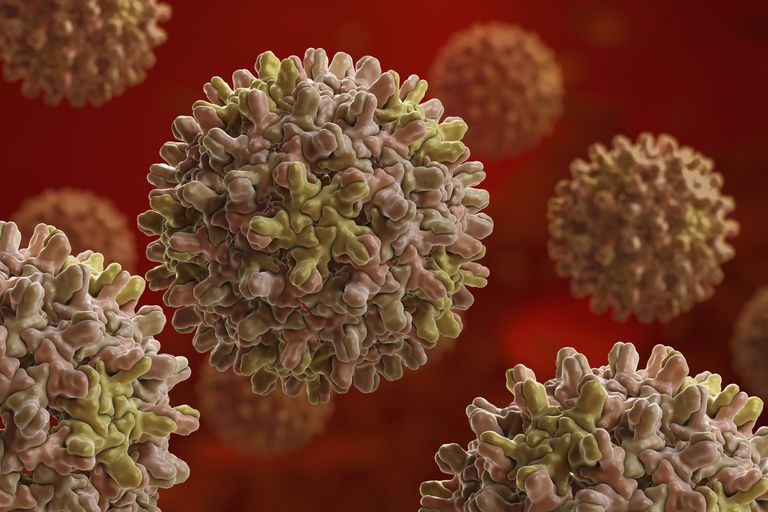
Beginning on December 2019, a cluster of respiratory illness in Wuhan, China defined the onset of a worldwide pandemic involving a novel coronavirus (SARS-CoV-2). Initial epidemiologic estimates from the WHO suggest that approximately 15% of patients will develop severe disease and evidence of viral pneumonia, and that many of these patients with severe disease will require ICU care, and progress to develop acute respiratory distress syndrome (ARDS), shock and secondary organ failures, and super-infections. Detailed immunophenotyping and understanding of the host factors that may predict or predispose to uncontrolled viral replication and/or progression vs resolution of infection and its consequences are critical for identifying and prioritizing host-directed interventions to limit or mitigate disease.In response to this, CoProjects and CoLabs immediately began to support the establishment of a rapid clinical immunophenotyping effort, COMET. ImmunoX and its investigators have also leveraged our community for many additional studies, detailed here.

Immune Cell Census

The immune system is a critical barrier between us and disease. When it goes awry, we get a range of conditions from immunodeficiencies (where the body is incapable of fighting off invaders that a normal person wouldn't even notice) to autoimmunity (where the body thinks that its own parts are a foreign invader). And in between is a spectrum of immune function that we don't yet fully understand.

The immune cell census aims to determine how much variation exists in normal immune systems, and importantly - how much variation exists in even a single person's immune system at various times.

To learn more, visit the Immune Cell Census website.

Chronic Viral Infections

Chronic viral infections present a unique, multi-faceted challenge to the infected host and also reflects a balancing act that the immune system must take between elimination of the virus and injury to the host. A prolonged or exaggerated immune response to clear viral infections from tissues and organs causes damage or can even be lethal. A weak or limited immune response allows unfettered infection. Chronic viral infections represent the détente that the immune system has devised to navigate pathogens that are otherwise difficult to clear. What this balance looks like and how persistence of certain viruses can lead to pathologies such as cancer is still unclear.

Neurodegeneration

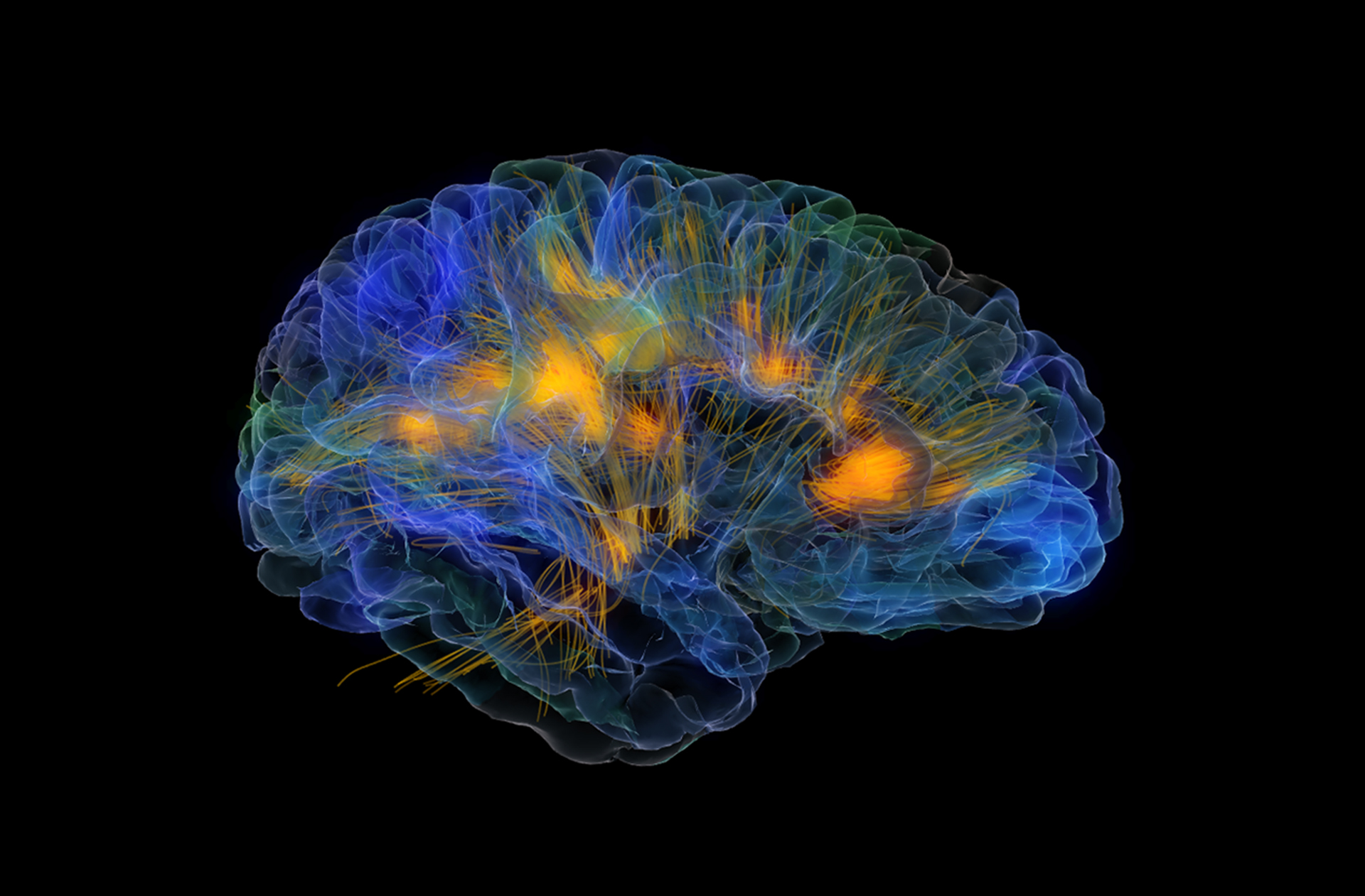
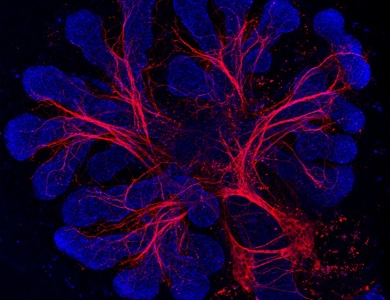
The brain has long been thought to be an immune-privileged organ, shielded from the peripheral immune system. However, emerging evidence indicates that the innate immune system of the brain, which consists primarily of microglia, a resident brain tissue macrophage, plays an important role in neurodevelopment and neurodegeneration. The brain immune system also contains glial cells called astrocytes that closely interacts with microglia in order for each to fully execute their functions.By analyzing these two cell types together, we hope to better understand how the brain immune system responds to neurodegenerative diseases, an instance in which these cells are known to be abnormally activated. In addition to immune cells in the brain, it is also unknown how the peripheral immune cells, including lymphocytes, myeloid cells, and monocytes, interact with these immune cells in the brain.

Organoids

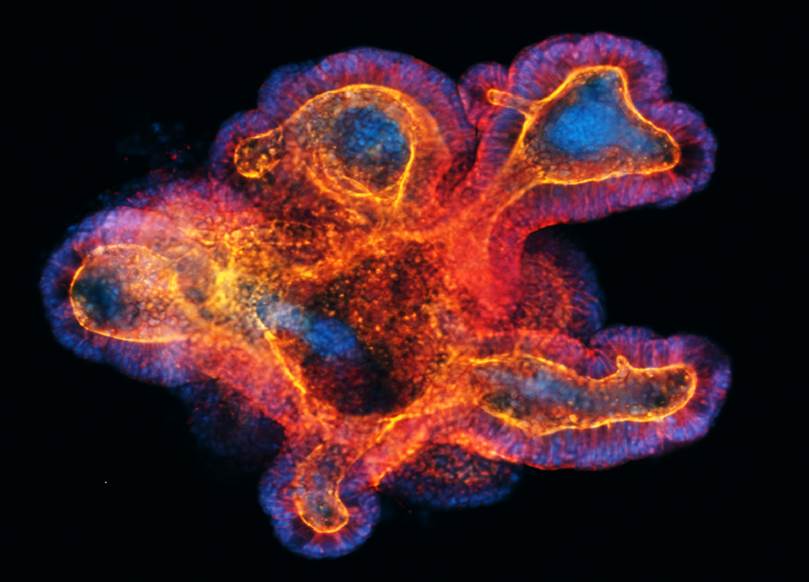
“Organoids” are miniature versions of organs that are produced in a Petri dish and attempt to mimic their 3D anatomy. They have been instrumental to study stem cell biology of epithelial cell lineages, to model disease progression, and to test the role of specific genes or microenvironmental factors in regulating cell behaviors within tissues. Organoids have gained traction as ideal platforms to screen for biomarkers, obtain personalized predictive and prognostic information, test novel therapeutic strategies and rational drug design, and grow replacement tissues.One of the caveats of organoids that have been generated to date is the absence of immune cells. Organoids that can also mimic the immune microenvironment would be highly desirable as a platform to understand immune cell-to-diseased tissue interactions, to test the impact of cancer immunotherapies in a high-throughput manner, and to obtain patient-specific insights into personalized medicine.

Pilots

In order to be a rapid and flexible pipeline, the ImmunoX CoProjects funds ongoing pilots, a series of ≤12 cases, of either rare or untapped disease streams. Pilots of rare diseases can be instrumental in and lead to new insights about the immune system, while pilots of untapped disease streams can serve to provide due diligence for larger cohort studies, either through the CoProjects or through other funding mechanisms.

Cancer

The immune system is very good at defining subtle differences in our own self and can be a friend or foe to our cells and tissues. Our bodies are “superorganisms,” entire ecosystems of individual cells and microbes that live in and on us in relative harmony. The immune system can be highly destructive, and it will fight for us or against us depending on the information it receives. New cancer immunotherapy drugs aim to give the immune system extra cues which will flip it out of its “permissive” state and license it to destroy cancer. When successful, immunity does all of the work to eliminate the cancer, just as it would if it were eliminating an infectious agent like a virus, bacterium, or other harmful microorganism. ImmunoX has nucleated a unique industry-academic partnership to understand the immunological basis for cancer.To learn more about the first CoProject in ImmunoX, visit the Immunoprofiler website.

UCSF CoLabs

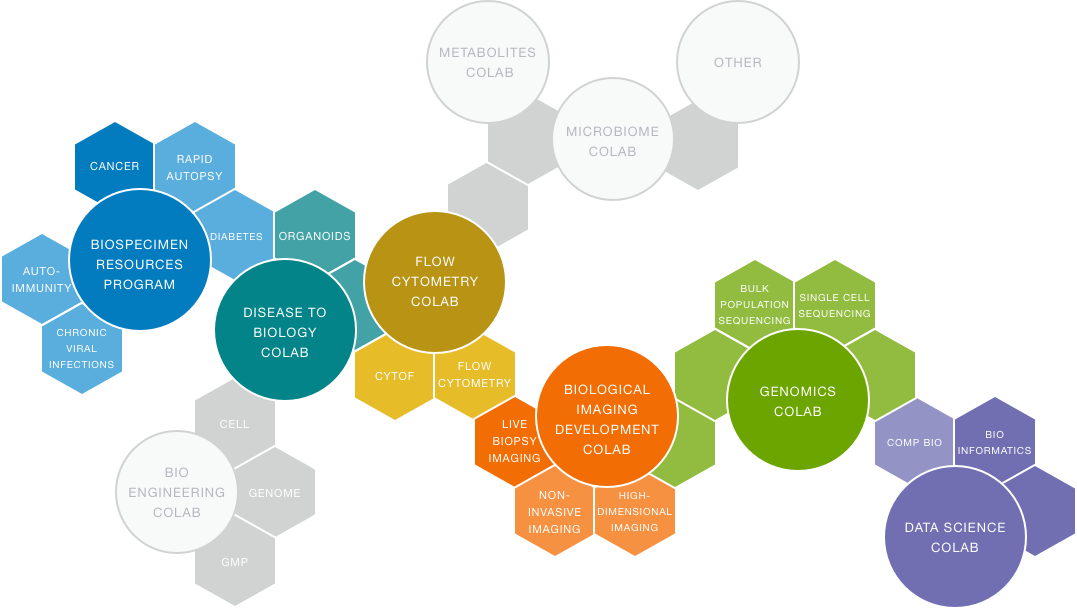
CoProjects are supported by and partially housed within UCSF CoLabs, a collection of integrated laboratories specializing in infrastructure or technologies. Conceived by ImmunoX and now co-sponsored by the office of the provost, these collaborative labs focus on key technology platforms that, together, enable the understanding of the complex immune system and its interaction with our bodies.

CoProjects Request for Proposals

The Bakar ImmunoX Initiative encourages proposals that establish untapped streams of immune-related disease biopsies or other specimens at UCSF, with the underlying objective to add value to the ImmunoX Data Library.

Learn More