


ImmunoX Faculty Directory
The Faculty Directory highlights the diverse community of faculty engaged with the Bakar ImmunoX Initiative. Use the filters to explore areas of expertise, connect across disciplines, and learn more about the people advancing immunology research and training at UCSF.
Join Our Community▸



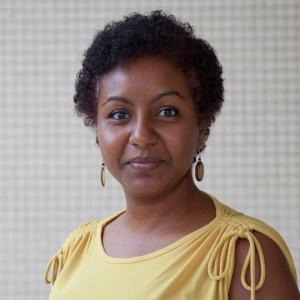
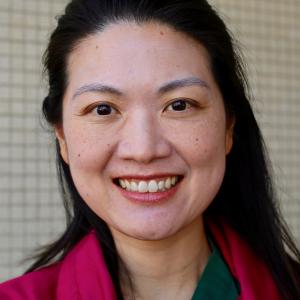

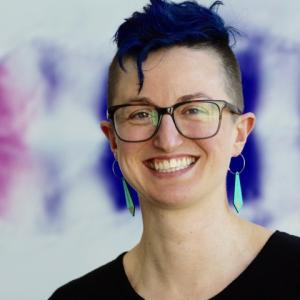

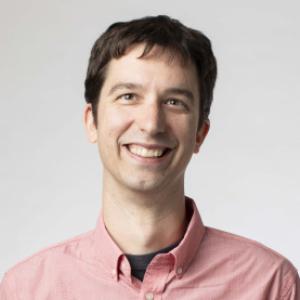

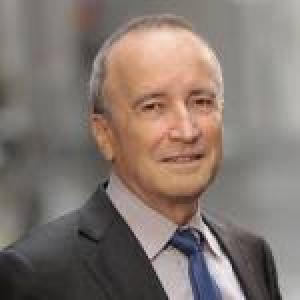
The Roan Lab studies how intracellular and extracellular factors in the tissue microenvironment can affect infection by HIV, mucosal immunity, and reproductive health. They have demonstrated that genital and rectal fibroblasts, amongst the most abundant cells of the mucosa, potently increase HIV infection of T cells through at least two distinct mechanisms: promoting viral entry, and altering the cellular state of T cells to render them more permissive to viral replication. To characterize the molecular basis of how intrinsic and extrinsic perturbations can render some subsets of CD4+ T cells more susceptible than others to HIV infection, they are using a variety of global gene expression analysis approaches, including CyTOF and RNA-seq. These approaches are also being used to characterize the HIV latent reservoir and the nature of viral rebound upon antiretroviral treatment interruption. Another research interest in the lab is to understand how factors in seminal plasma affect reproductive health and susceptibility to sexually transmitted diseases.
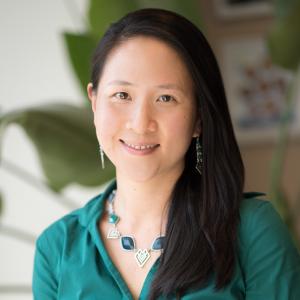
Jeroen Roose is a tenured Principal Investigator and Vice Chair of Anatomy at the University of California, San Francisco. He is also a co-founder of UCSF's Bakar ImmunoX Immunology Program and co-lead of UCSF's AutoIPI (AutoImmunoProfiler). The Roose lab focuses on understanding cell fate decisions driven by cell-cell interactions and signaling pathways, in the context of cancer and autoimmune diseases. Dr. Roose also runs an Organoid disease to biology unit connected to UCSF's CoLabs. There is a rich training environment for staff, students, postdocs, and fellows in the established infrastructure of the Roose lab and the programs it is connected to.
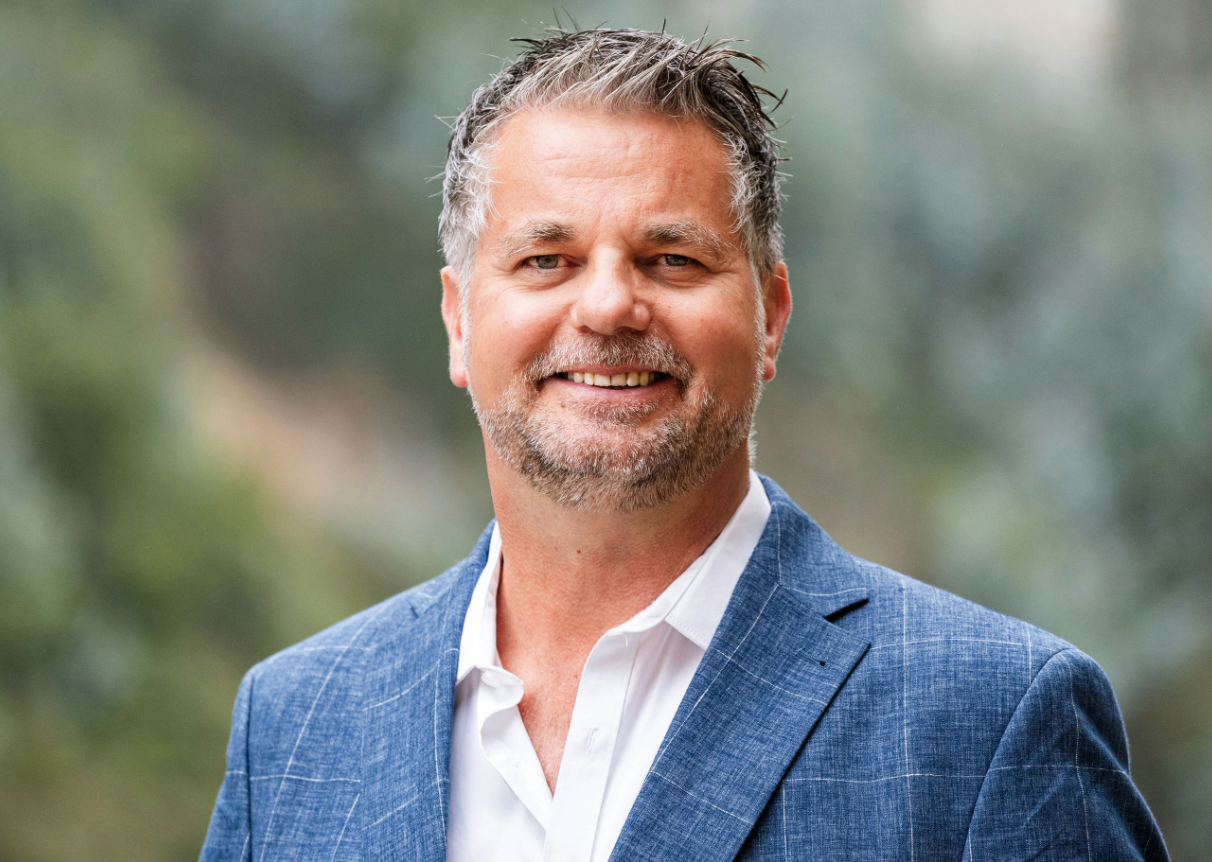
The Rosen Lab is interested in glycobiology and biological sulfation. The origin of this interest began 30 years ago with our investigation of molecular mechanisms involved in lymphocyte homing to lymph nodes. Over the past 12 years, we have been focusing on the role of the SULFs in cancer, triggered by our finding that one or both SULFs are commonly overexpressed in cancers. Following our initial studies of the SULFs in breast cancer and pancreatic cancer, we have focused on the study of these enzymes in non-small cell lung cancer (NSCLC). Our studies have documented widespread overexpression of SULF2 protein in human NSCLC tumors. Employing a series of tumorigenic lung cancer cell lines, we showed that SULF2 promotes the malignant properties of these cells in both in vitro and vivo assays, including the formation of xenograft tumors in nude mice. We have developed a very sensitive ELISA for SULF2 and have detected the enzyme in human blood. Current studies are directed at determining whether the SULFs could serve as cancer biomarkers in blood or other body fluids.
The Rosenblum Lab's central focus is to understand how the immune system is regulated or controlled in peripheral tissues and how this knowledge can be exploited for therapeutic benefit. To this end, we currently have two areas of active investigation: 1) Understanding how regulatory T cells (Tregs) control immune responses outside of lymphoid organs and 2) Understanding the 'alternative' functions of Tregs in peripheral tissues. Because of its complex immunological properties, its accessibility, and potential for clinical translation, the skin is the model peripheral tissue that we primarily focus on. Approximately 50% of our research employs a reductionist approach, utilizing transgenic animal models to ask fundamental questions of how the immune system functions in skin (and other peripheral tissues) at both the cellular and molecular levels. The other half of our work focuses on doing functional immunology with human tissue, human blood and humanized mice.
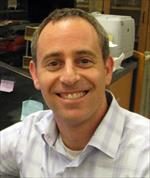
In the Roybal Lab we harness the tools of synthetic and chemical biology to enhance the therapeutic potential of engineered immune cells. We take a comprehensive approach to cellular engineering by developing new synthetic receptors, signal transduction cascades, and cellular response programs to enhance the safety and effectiveness of adoptive cell therapies. We also study the logic of natural cellular signaling systems, and the underlying principles of cellular communication and collective cell behavior during an immune response.
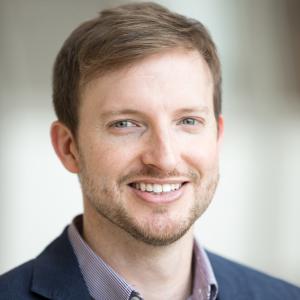
The Rutishauser Lab's goal is to characterize the regulation of human CD8+ T cell differentiation in response to viral infections and vaccination across the lifespan. Their lab is focused on three complimentary areas of study: 1) exploring the CD8+ T cell-intrinsic and -extrinsic mechanisms that regulate HIV-specific CD8+ T cell dysfunction/exhaustion; 2) defining the transcriptional and epigenetic basis for the altered T cell receptor-driven differentiation of fetal naive CD8+ T cells; 3) applying systems immunology approaches to assess longitudinal human immune responses to infection and vaccination using mass cytometry.
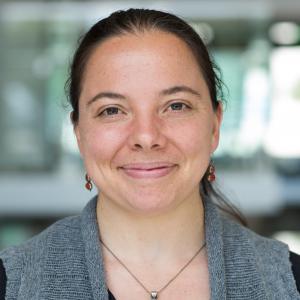
The Saba Lab's research is focused on the role of sphingolipid metabolism in development, health and disease. We are particularly focused on the biology of the bioactive lipid metabolite sphingosine-1-phosphate (S1P) and the key enzyme responsible for its irreversible metabolism, S1P lyase, having cloned the latter from budding yeast years ago. We showed previously that a tiny population of dendritic cells harbor the S1P lyase activity that generates the S1P gradient needed for T cell egress. This discovery demonstrates a new role for thymic dendritic cells independent of their role in central tolerance. Although S1P lyase expression is higher in thymic epithelial cells (TEC) than in any other cell type of the body, this compartment of S1P lyase has no impact on T cell egress from the thymus, which raises important questions about the function of TEC S1P lyase. 2) S1P lyase in colitis and the gut microbiome. We showed previously that S1P lyase plays a critical role in reducing colitis risk through microRNA-mediated signaling involving STAT3 and NFkappaB inflammatory signaling hubs. We are currently exploring the impact of dietary and endogenous sphingolipids on the gut microbiome and dysbiosis. 3) S1P lyase and immunodeficiency. We recently reported a newly recognized inborn error of metabolism caused by inactivating mutations in SGPL1, which encodes human S1P lyase. We have named the condition sphingosine phosphate lyase insufficiency syndrome (SPLIS). There are many disease features, and mortality in the first decade is nearly 50%. Most if not all patients exhibit T cell lymphopenia, but some also have B and NKT cell deficiencies and low immunoglobulin levels. We are interested in fully characterizing the immunological status of SPLIS patients, leveraging their T cell lymphopenia in newborn screening strategies, and using immunological biomarkers including absolute lymphocyte count as disease biomarkers. The latter can be used to monitor responses to gene therapy and cofactor supplementation approaches we are developing to treat SPLIS patients.
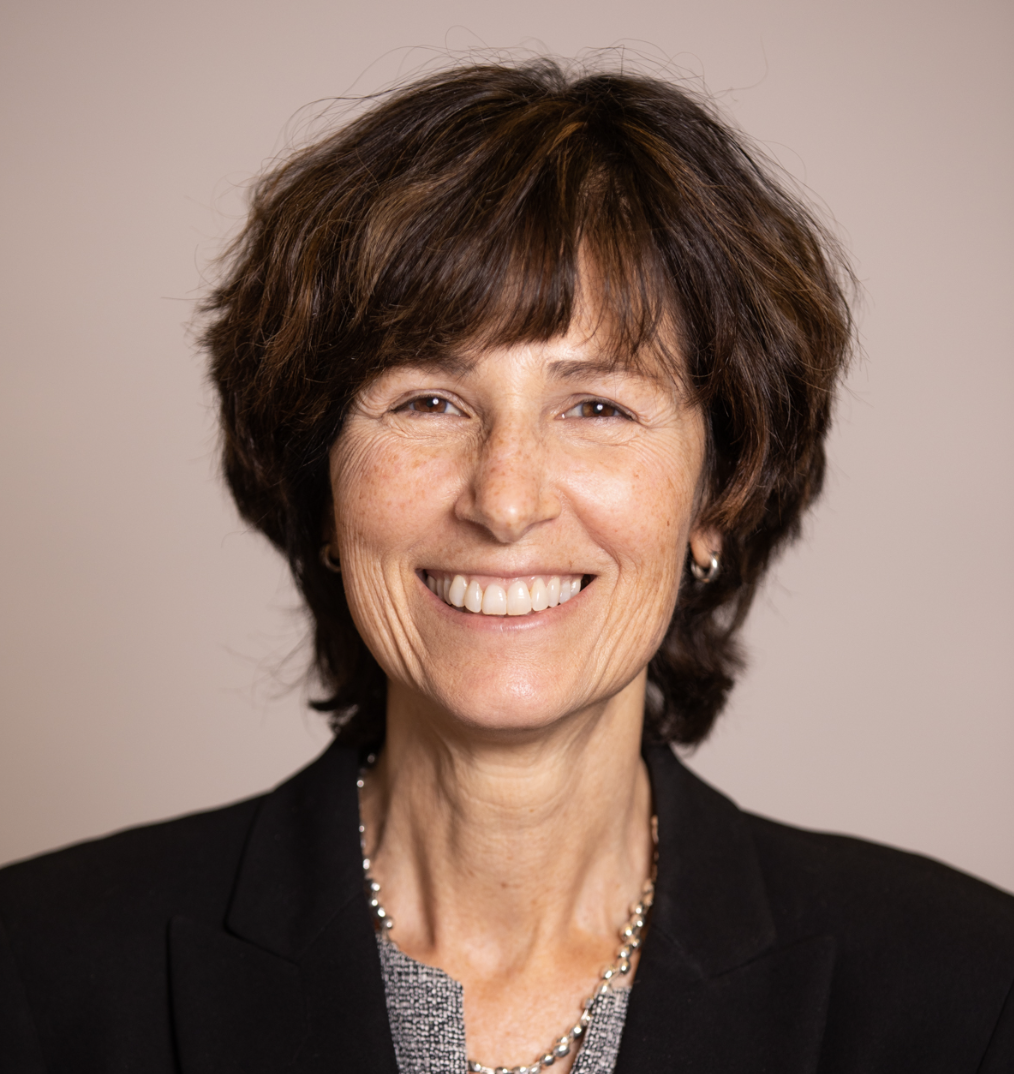
The Sarwal Lab utilizes biomarker discovery, validation, drug repurposing, and device innovations to further precision medicine for chronic diseases. The Lab has been funded to develop the first human single cell kidney cell atlas by the Kidney Precision Medicine Project, NIDDK and the Chan Zuckerberg Initiative. The Lab works on human, in vitro and pre-clinical models for understanding transplant injury and drug design. In the realm of chronic kidney disease the Lab is also workin on elucidating new drug design and diagnostics for nephropathic cystinosis, a rare lysosomal disease that results in renal failure in childhood. The Lab is also moving into studies on obesity mechanisms for kidney and kidney-pancreas transplant patients, as Sarwal is the Co-Director or the Pancreas- Kidney Transplant Program. Sarwal is also Co-Director of the T32 Training Program at UCSF and serves on the FDA Science Board and multiple study sections for the NIH and the DOD.

The Scharschmidt Lab studies the cellular and molecular mechanisms mediating the adaptive immune response to skin commensal bacteria in order to elucidate the role of microbes in skin homeostasis and inflammatory skin disease. Research in our lab aims to: 1) define host pathways and immune cell populations that facilitate establishment of adaptive immune tolerance to skin commensals; 2) identify commensal-derived molecules that influence the development and function of adaptive immune cell populations in the skin; 3) elucidate how skin-specific structures, such as hair follicles, and the integrity of the skin barrier influence host-commensal dialogue in this tissue. Our scientific approach capitalizes on genetic manipulation of skin commensal bacteria, transcriptional profiling of both host and microbial cells and in vivo models to dissect the antigen-specific response to skin commensal organisms.
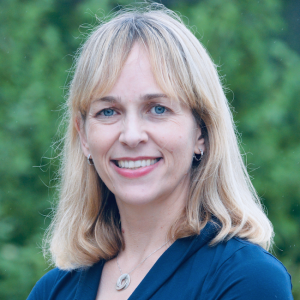
The Schjerven lab studies normal and malignant immune cell development with a focus on transcriptional regulation, and the molecular mechanisms underlying how mutations in key regulatory factors can cause disease. The transcription factor Ikaros, encoded by the IKZF1 gene, is a major focus of ongoing work. Due to the many roles of Ikaros in blood cell development and function, our lab has several diverse and complementary research projects.
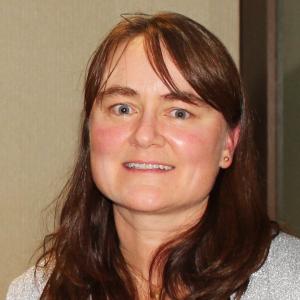
The Sheppard Lab's research focuses on the in vivo roles of members of the integrin family, the biologic and therapeutic significance of integrin-mediated activation of transforming growth factor beta, and the molecular mechanisms underlying tissue fibrosis. One aim of the research is to identify new therapeutic targets to improve the treatment of common disorders including tissue fibrosis, cancer and asthma. The work begins with basic investigation of how cells use members of the integrin family to detect, modify and respond to spatially restricted extracellular clues and how these responses contribute to the development of common diseases.

The Shum Lab's research lies at the intersection of autoimmunity and pulmonary disease and is focused on the study of clinical disorders such as rheumatoid arthritis that affect the lung. Their goal is to understand the basic mechanisms that control how the lung functions both as an important immune target in autoimmune disorders and as a critical factor in precipitating or propagating autoimmune inflammation. They enroll patients into their research program to perform next generation sequencing studies that are designed to uncover novel insights into the molecular pathogenesis of disease. They have developed a whole exome sequencing (WES) analysis pipeline to identify rare genetic variants that cosegregate with disease in Mendelian disorders of autoimmunity. Much of their work involves the study of immune mechanisms in animal models or cellular and molecular investigations that are designed to functionally validate candidate mutations discovered in their sequencing pipeline.