


ImmunoX Faculty Directory
The Faculty Directory highlights the diverse community of faculty engaged with the Bakar ImmunoX Initiative. Use the filters to explore areas of expertise, connect across disciplines, and learn more about the people advancing immunology research and training at UCSF.
Join Our Community▸



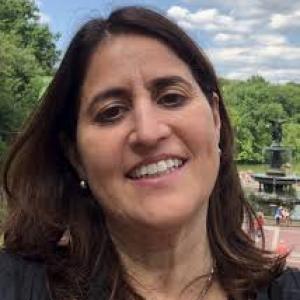
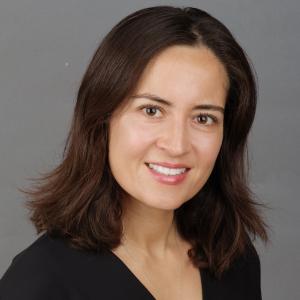

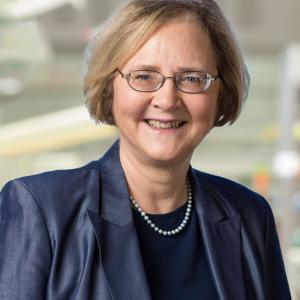
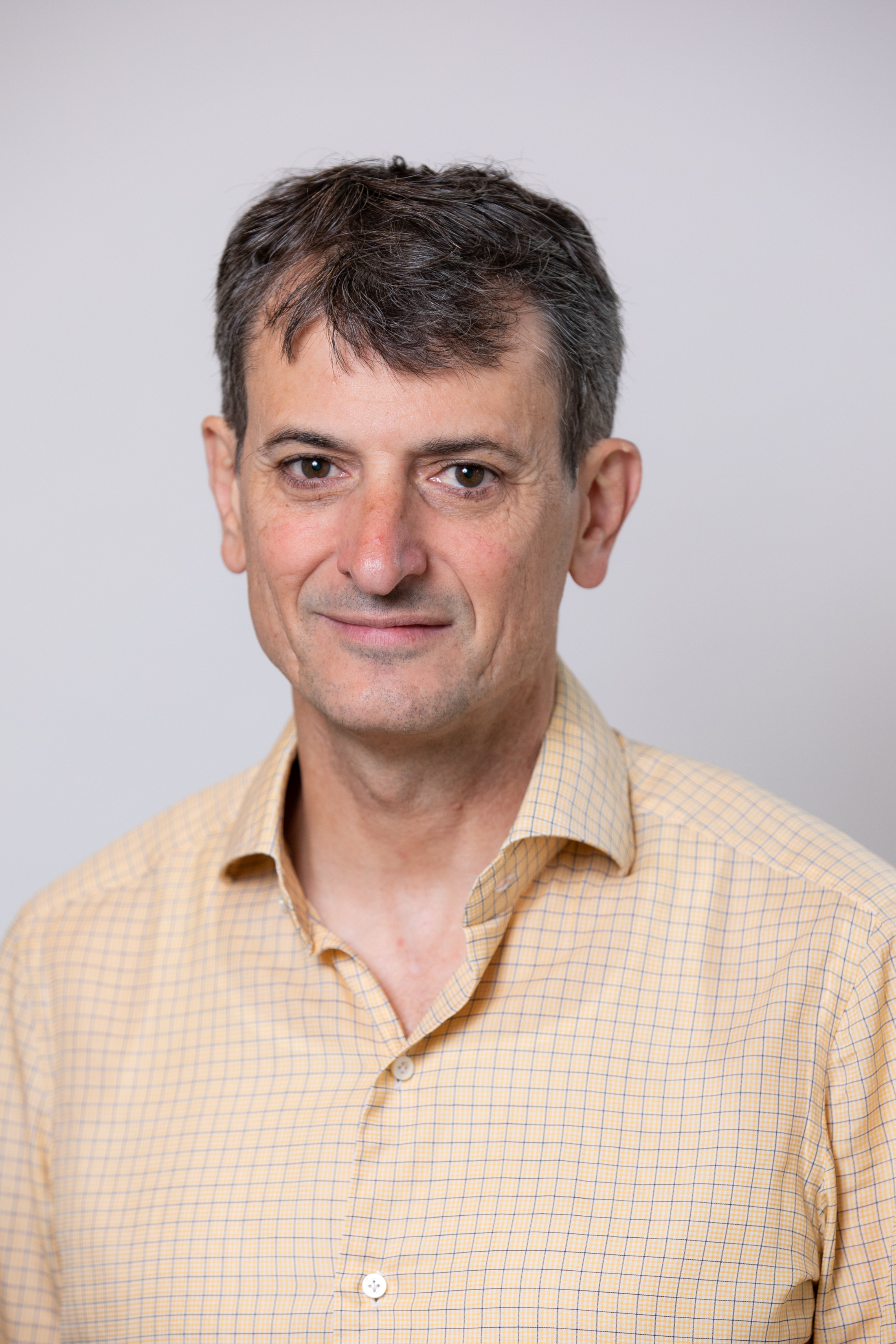



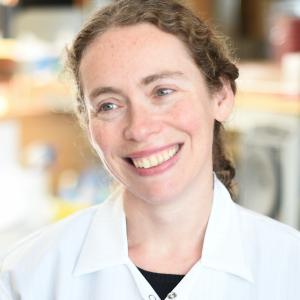
The Waterfield Lab’s main focus is to understand the basic mechanisms by which immune tolerance is broken. Specifically, the lab is interested in studying the role of epigenetics in the development of autoimmunity. In order to study the role of epigenetics in the development of autoimmunity, the lab utilizes a variety of novel conditional knockout mouse lines to study the effect of deletion of specific epigenetic proteins on immune tolerance.
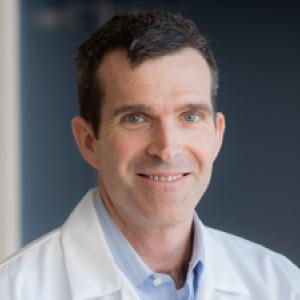
The Weiss Lab is interested in understanding how receptors involved in antigen recognition can initiate signal transduction events that regulate cell responses in the immune system. We know that receptors involved in antigen recognition functionally interact with tyrosine kinases and phosphatases, enzymes that regulate protein phosphorylation, to induce signaling pathways that regulate cellular responses and gene expression. We are using genetically selective small molecule inhibitors of kinases together with phosphatase mutants to study how thresholds for the initiation of immune responses are set and how feedback circuits influence responses. We would like to understand how the tyrosine kinases and phosphatases in these pathways are regulated and how they control cellular responses in development, in normal immune responses and in autoimmune diseases such as lupus and rheumatoid arthritis.
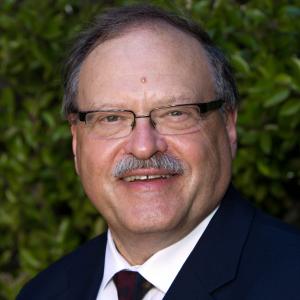
The Wiita Lab aims to discover new ways to treat and ultimately cure cancer by harnessing the power of the immune system. His group specifically uses a combination of mass spectrometry-based proteomics, chemical biology, and computational strategies to identify novel immunotherapy targets in cancer, followed by advanced protein engineering and AI-based strategies to develop new therapies against these targets. The Wiita lab thus seeks to develop clinically-translatable, next-generation therapies, including engineered cellular therapies, protein-based biotherapeutics, and novel therapeutic delivery platforms, to address unmet needs in cancer care. In his clinical service, Dr. Wiita is a board-certified Clinical Pathologist and currently serves as the Interim Chair of the UCSF Department of Laboratory Medicine. Dr. Wiita also holds a joint appointment in the UCSF Dept. of Bioengineering and Therapeutic Sciences, is an Investigator at the Chan Zuckerberg Biohub, and is a Member of the Parker Institute for Cancer Immunotherapy. Reflecting his group's primary disease focus in hematologic malignancies (blood cancers), Dr. Wiita is also the Director of the UCSF Stephen and Nancy Grand Multiple Myeloma Translational Initiative Laboratory.

The Wilder Lab's goal is to understand how innate immune functions of lung epithelial cells regulate the development and progression of lung immunopathogenesis. Specifically, they are interested in investigating distinct immune gene expression and cellular responses controlled by interferon-specific dynamic control of the transcription factor ISGF3.

The Wilson Lab's research is focused on infectious and autoimmune diseases of the central nervous system. Our lab applies metagenomic and immune repertoire sequencing techniques as well as phage display autoantibody and viral antibody discovery technologies to enhance our understanding of the causes and immunopathogenesis of multiple sclerosis as well as autoimmune and infectious causes of meningoencephalitis. To fuel these inquiries, we have a large effort to biobank blood and cerebrospinal fluid samples from over 1,000 patients with a variety of neuroinflammatory diseases.
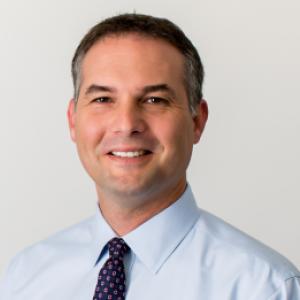
The Wolkowitz Lab's broad focus is the identification of moderators and mediators of stress effects on psychiatric and comorbid physical health, with a goal of identifying novel targets for therapeutic intervention. Their group is currently examining the interactions between inflammatory factors, oxidative stress, neurotrophic factors, mitochondrial function, genetics and epigenetics and depressive symptoms, treatment response, neuroradiological profiles and aspects of cellular aging. Their lab works in close collaboration with the lab of fellow ImmunoX Member Synthia Mellon, specifically working to share data with other researchers examining the role of the immune system in cross-diagnostic pathology, and to add neuropsychiatric rating scales to other projects assessing immune function in diverse patients at UCSF.

The Woodruff Lab's research comprises both clinical and translational research into a range of lung diseases including asthma, chronic obstructive pulmonary disease (COPD), and granulomatous lung diseases (e.g. sarcoidosis and hypersensitivity pneumonitis). These studies fall into three specific categories: 1) the identification of distinct molecular sub-phenotypes of these diseases; 2) the elucidation of disease-relevant mechanisms of airway inflammation and remodeling in the lung; 3) clinical trials of novel therapeutic approaches.

The Ye Lab is interested in how the interaction between genetics and environment affect human variation at the level of molecular phenotypes. To study these interactions, our lab couples high-throughput sequencing approaches that measure cellular response under environmental challenges with population genetics where such measurements are collected and analyzed across large patient cohorts. We have developed novel experimental approaches that enable the large-scale collection of functional genomic data en masse and computational approaches that translate the data into novel biological insights. This approach is used to initially study primary human immune cells in both healthy and diseased patients to understand host pathogen interactions and its role in autoimmunity.
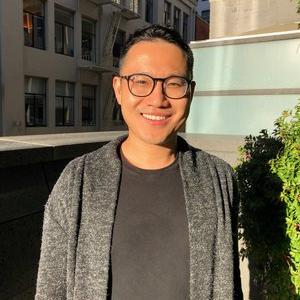
Dr. Young's goal is to better understand the glioblastoma immune microenvironment by studying longitudinal microenvironment evolution and translating these biological discoveries into new therapies for patients with glioblastoma. Projects in the Young Lab use a combination of high-throughput single-cell and spatial analyses from human tissue obtained in the operating room with mechanistic and in vivo experiments from immunocompetent glioblastoma mouse models to explore how resistance mechanisms develop and tumors evade conventional immunotherapies. Currently, their preclinical work has identified IL6 blockade in combination with checkpoint inhibition as a promising strategy for glioblastoma.
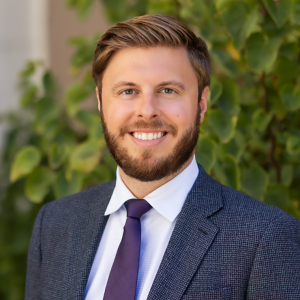
In the Zamvil Lab, our group employs models, including relapsing and spontaneous experimental autoimmune encephalomyelitis (EAE) to study activation and regulation of CNS Ag-specific T cells. In our early work, we demonstrated for the first time that autoantigen-specific T cell clones could cause clinical and histologic autoimmunity. In the last several years, we have applied our experience studying T cell recognition of myelin Ags in EAE and MS to identification of T cells that recognize aquaporin-4 (AQP4), the autoantigen in NMO. Our group provided the first evidence that AQP4-specific T cells exist in NMO patients and in mice. Currently, we are examining those elements that control selection of AQP4-specific T cells and evaluating how the gut microbiome may influence development of AQP4-specific T cells.
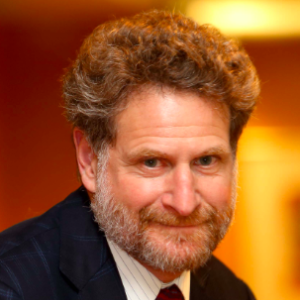
The Zikherman Lab is interested in understanding how autoreactive B cells, despite chronic antigen engagement of the B cell receptor, are restrained from inappropriate activation and differentiation. We are interested in how this process is disrupted in autoimmune disease, and how tolerance mechanisms can be harnessed to treat autoimmunity. To do so, we are taking advantage of novel reporter mice in which autoreactive B cells are fluorescently marked (Nur77-eGFP BAC transgenic line). Current funded projects include dissecting the distinct roles of the IgM and IgD B cell receptor isotypes in regulating immune responses by autoreactive B cells. More recent work is focused on defining how Nur77 and related orphan nuclear hormone receptors function selectively to restrain activation of chronically antigen-activated B cells.