


ImmunoX Faculty Directory
The Faculty Directory highlights the diverse community of faculty engaged with the Bakar ImmunoX Initiative. Use the filters to explore areas of expertise, connect across disciplines, and learn more about the people advancing immunology research and training at UCSF.
Join Our Community▸


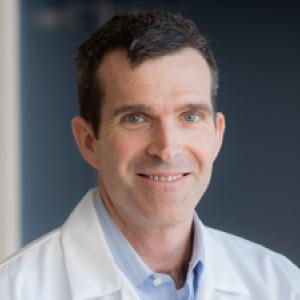
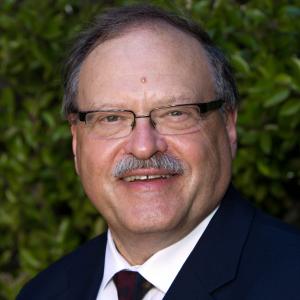

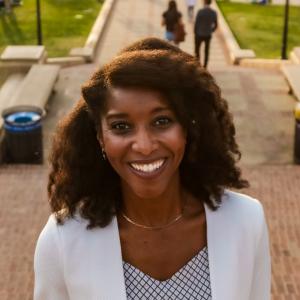

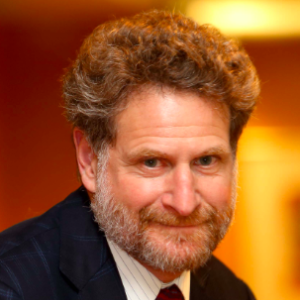
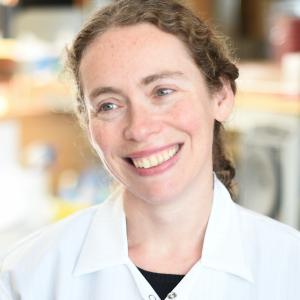
The Barcellos-Hoff Lab studies the tumor microenvironment, how it is formed during carcinogenesis, and how it mediates the response to radiation therapy. Our particular focus is on the biology of TGFbeta in these processes. We discovered that radiation elicits activation of latent TGFbeta, so much of our studies determine what TGFbeta does in an irradiated cell, tissue, or tumor. Although our primary interest is in mammary gland and breast cancer, we also work with models of glioblastoma and head and neck squamous cell carcinoma.

The Baron Lab studies basic mechanisms involved in immunopathogenesis of acute and chronic Hepatitis B virus infection, as theyll as basic principles in both innate and adaptive immunity to viral pathogens. By identifying the role of both innate and adaptive immunity in HBV clearance and virus-induced liver damage, they hope to develop strategies for therapeutic intervention.
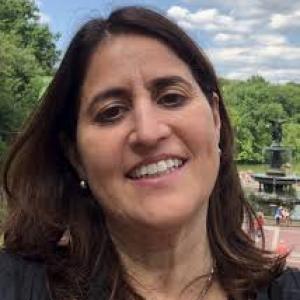
The Betancur Lab’s research goals are centered around the assembly of an immune evasion Gene Regulatory Network (GRN). This virtual map of regulatory networks will clarify all upstream CD47 activators and novel genes that in parallel with CD47 and in response to inflammation, activate the immune evasion program in breast cancer or damaged cells in other diseases. To approach this, they employ whole genome sequencing and genome-wide association studies, low cell number or single cell ChIP-Seq to generate high-throughput data on active enhancers or super-enhancers controlling the activation of pro-inflammatory genes or immune suppressive genes, part of the immune evasion program, in healthy and cancer cells. In the future, they plan to use the immune evasion GRN model to predict how the immune evasion program is erroneously activated by cancer therapies known to promote inflammation (e.g., radiation therapy). This information will be crucial to develop tools to deactivate the immune evasion program, to prevent cancer cells or other diseased cells from arriving to a state where they can escape immunosurveillance. Moreover, their findings will be useful to point at specific therapeutic targets that eventually can be combined with radiation therapy for the treatment of cancer.
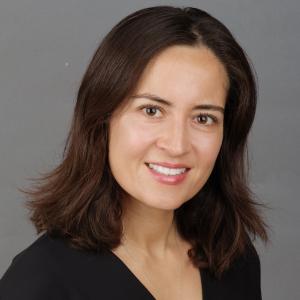
The Bhattacharya Lab studies the role of monocyte-derived macrophages in tissue fibrosis. Their work started with single cell mRNA sequencing identifying multiple macrophage clusters in injured lung, one of which they found localized to scar and was pro-fibrotic. Their studies are focused on: 1) myeloid-mesenchymal crosstalk; 2) evolution of macrophage identity through transitional states; 3) PDGF signaling. They also work with human fibrotic lung samples in which their findings in mouse theyre confirmed based on marker analysis. Functional and sequencing studies with human macrophages and fibroblasts are planned.
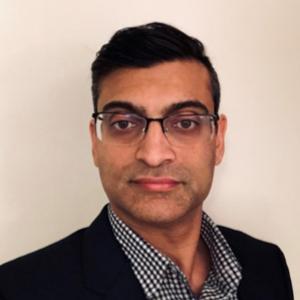
The Blackburn Lab is focused on the role of telomere maintenance in human diseases and risk factors, focusing on how inflammation and oxidative stress act as mediators in human diseases and interventions.
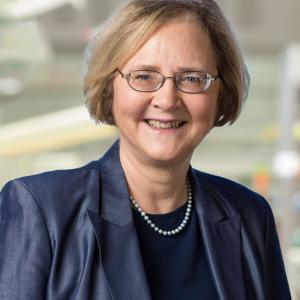
The Blelloch Lab focuses on immune checkpoints, examining their origins and destinations. Upon identification, the lab seeks methods to manipulate these checkpoints to enhance antitumor immunity and suppress autoimmune diseases. This research also involves analyzing the role of exosomes in immune modulation.
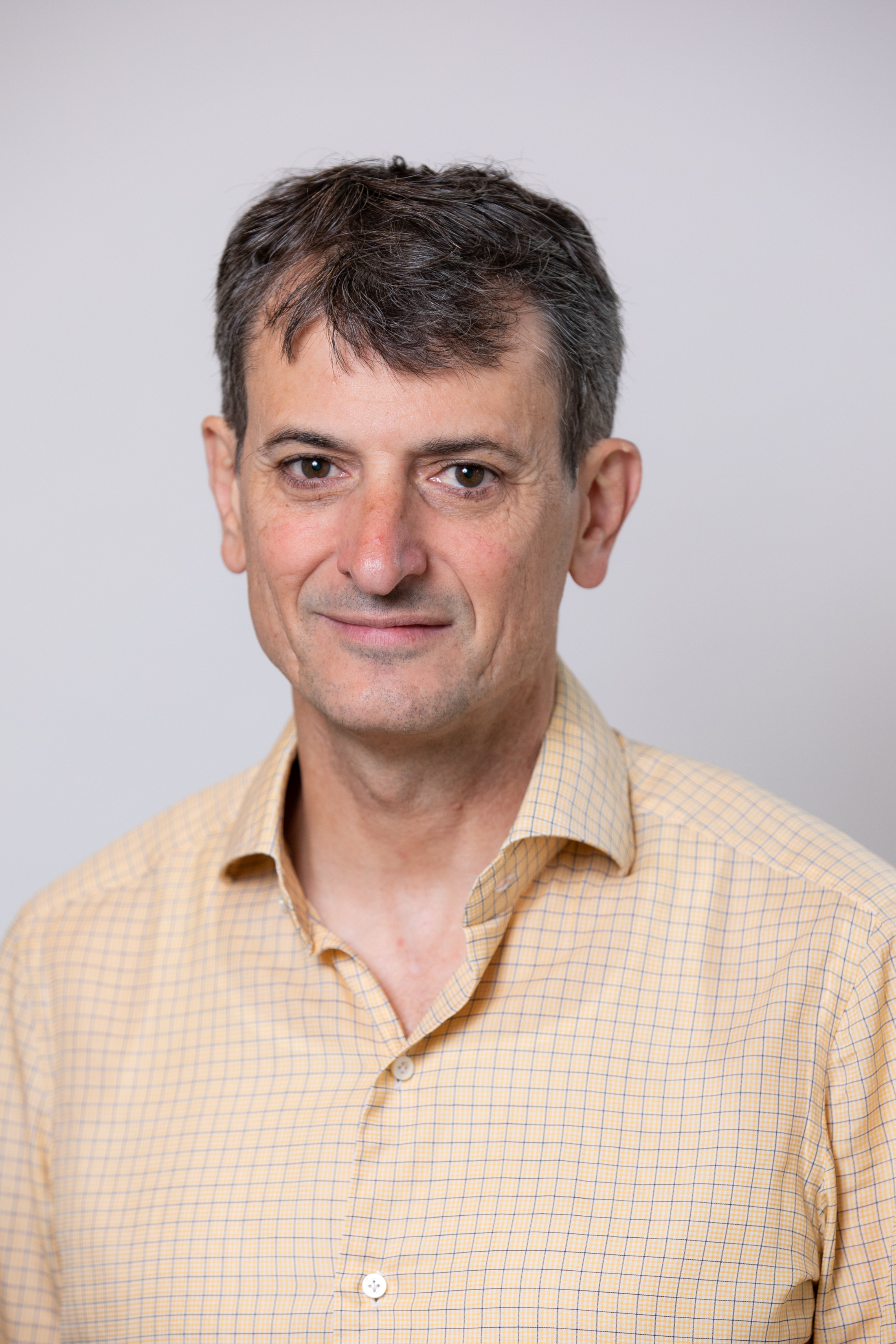
The Bluestone Lab's research is broadly focused on understanding mechanisms regulating T cell activation. Our work has centered on altering the positive and negative co-stimulatory signals that are delivered in conjunction with signals from the T cell receptor during T cell activation. By manipulating positive co-stimulatory ligands, such as B7-1 or B7-2, or negative regulatory receptors, such as CTLA-4 or PD-1, we revealed new mechanisms to promote immunotolerance. In addition, we are studying an immunosuppressive population of T cells known as Tregs. Tregs are essential for preventing most forms of autoimmunity and we are developing strategies to utilize these cells to treat Type 1 Diabetes and other autoimmune diseases. The breakdown of tolerance has been attributed to an imbalance of effector function and immune regulation, specifically defective regulation due to defects in the T regulatory cells (Treg) subset. Thus, multiple efforts have been forged to re-instate that balance in setting such as autoimmune disease and organ transplantation or disrupt it as a means to promote anti-tumor immunity. Recent investigations have focused on Treg instability in the autoimmune and cancer settings, and targeting of the FOXP3 pathway to selectively enhance Treg function. We have also focused attention on novel approaches to understanding FOXP3 activity and delivering specific signals to Tregs to promote Treg stability and function, including the use of novel IL-2 and anti-IL-2 approaches. Finally, we have initiated early clinical trials translating the insights gained from mouse studies to deliver Tregs and IL-2 therapeutically to promote rebalancing of effector and Treg function in autoimmunity and transplantation.

The Bruno Lab use synthetic biology and high-throughput functional genetic screens to understand antigen presentation and T-cell recognition in the context of cancer and other diseases.
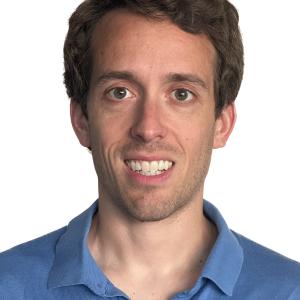
The Carnevale Lab focuses on developing cell therapies for cancer treatment. They develop and harness the potheyr of different unbiased CRISPR screening approaches to identify genes that they can manipulate to rewire T cells for therapeutic purposes. These screens can adopt a variety of different CRISPR tools to anstheyr a diverse range of questions/challenges in T cell therapies. They adapt the screening conditions to model the challenges faced by T cells in the tumor microenvironment to identify genes that confer resistance/sensitivity to these factors. They have developed a pipeline of validation strategies to further test their target genes of interest, and once prioritized, top genes are used to engineer T cell therapies that they can test in preclinical cancer models. They also have highly translational collaborative projects aimed at developing a cell product that is poised to move into an Investigator-initiated clinical trial for patients refractory to currently available cell therapies. Lastly, they are working to also expand their efforts into engineering the myeloid compartment to synergize with T cell therapies.
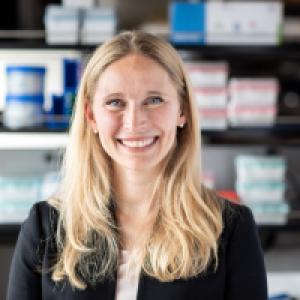
Dr. Chan is a Project Manager and Senior Scientist for Immunoprofiler.Among other projects, Immunoprofiler uses tumor biopsies taken from patients to intensively analyze their immune composition and divide the immune response into subclasses that define the disease. We aim to make maximal use of donated tumor tissue, immediately bring it to the laboratory upon its removal. By taking it live and intact, we have the opportunity to study it much more intensely. Tumor cells and immune cells continue to interact in these sections for many hours and they use technology developed at UCSF to study this using multiple kinds of tests, such as quantifying immune cells at the edge or center of the tumor and subjecting them to live tumor imaging in order to view how the cells behave.
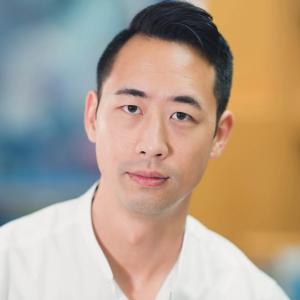
The Chapman Lab has a longstanding interest and productive history in the field of tissue remodeling, particularly as it relates to lung disease. For many years our work primarily focused on proteolytic enzymes. My group cloned and characterized several new members of the cathepsin family and elucidated their roles in bone, lung, and immune disorders. I also pursued basic mechanisms by which proteases and adhesion receptors coordinate cell invasion and extracellular matrix remodeling. At UCSF I have focused my lab on pulmonary fibrosis as a disorder of unmet medical need and a logical extension of my prior work in matrix biology. I led in vivo investigation of the role of epithelial mesenchymal transition (EMT) in pulmonary fibrosis and in the course of studying epithelial plasticity we discovered a population of lung distal epithelial progenitors expressing the integrin capable of regenerative activity in vitro and in vivo in response to major injury. Follow-up studies led to the discovery that the actual lung stem/progenitor cells are relatively rare epithelial subpopulations devoid of mature lineage markers but capable of rapid proliferation and pluripotent differentiation in vivo. Their fates in vivo were recently found to be regulated by local lung hypoxia via its impact on Notch signaling. Follow-up studies led to the discovery that the actual stem/progenitor cells are relatively rare epithelial subpopulations devoid of mature lineage markers but capable of rapid proliferation and pluripotent differentiation in vivo. Their fates in vivo were recently found to be regulated by local lung hypoxia via its impact on Notch signaling.
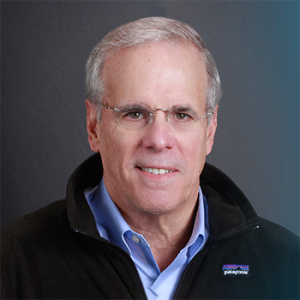
The Cho Lab is focused on understanding the rules of engagement bettheyen cancer and the immune system. They aim to leverage fundamental, mechanistic discoveries to advance the treatment of cancer patients. Despite recent breakthroughs in cancer immunotherapeutics, there remains a significant knowledge gap particularly with respect to how interactions bettheyen cancer cells and immune cells determine treatment response vs. resistance. Their work using novel mouse and human models combined with high parameter immune profiling reveal critical molecular and cellular circuits responsible for resistance to immune checkpoint inhibitors and radiation therapy, including a surprising role for T cells in exacerbating immune-suppressive inflammation engaging immune and malignant cells in the tumor microenvironment. They aim to leverage expertise in molecular engineering and high parameter, single-cell profiling to understand key interactions at the tumor-immune interface to improve and innovate immune-based cancer therapy.