


ImmunoX Faculty Directory
The Faculty Directory highlights the diverse community of faculty engaged with the Bakar ImmunoX Initiative. Use the filters to explore areas of expertise, connect across disciplines, and learn more about the people advancing immunology research and training at UCSF.
Join Our Community▸


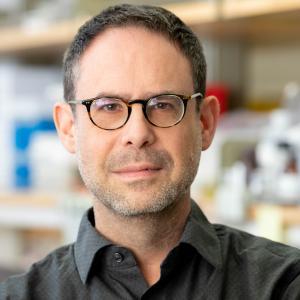
Dr. Jarish Cohen currently practices clinical dermatopathology and pursue basic research towards understanding the immunologic basis of inflammatory dermatoses and alopecias. His clinical interests are wide-ranging and include the genetics of heavily pigmented melanocytic neoplasms and cutaneous soft tissue tumors, as well as characterizing the immunophenotypic landscape of inflammatory skin diseases.
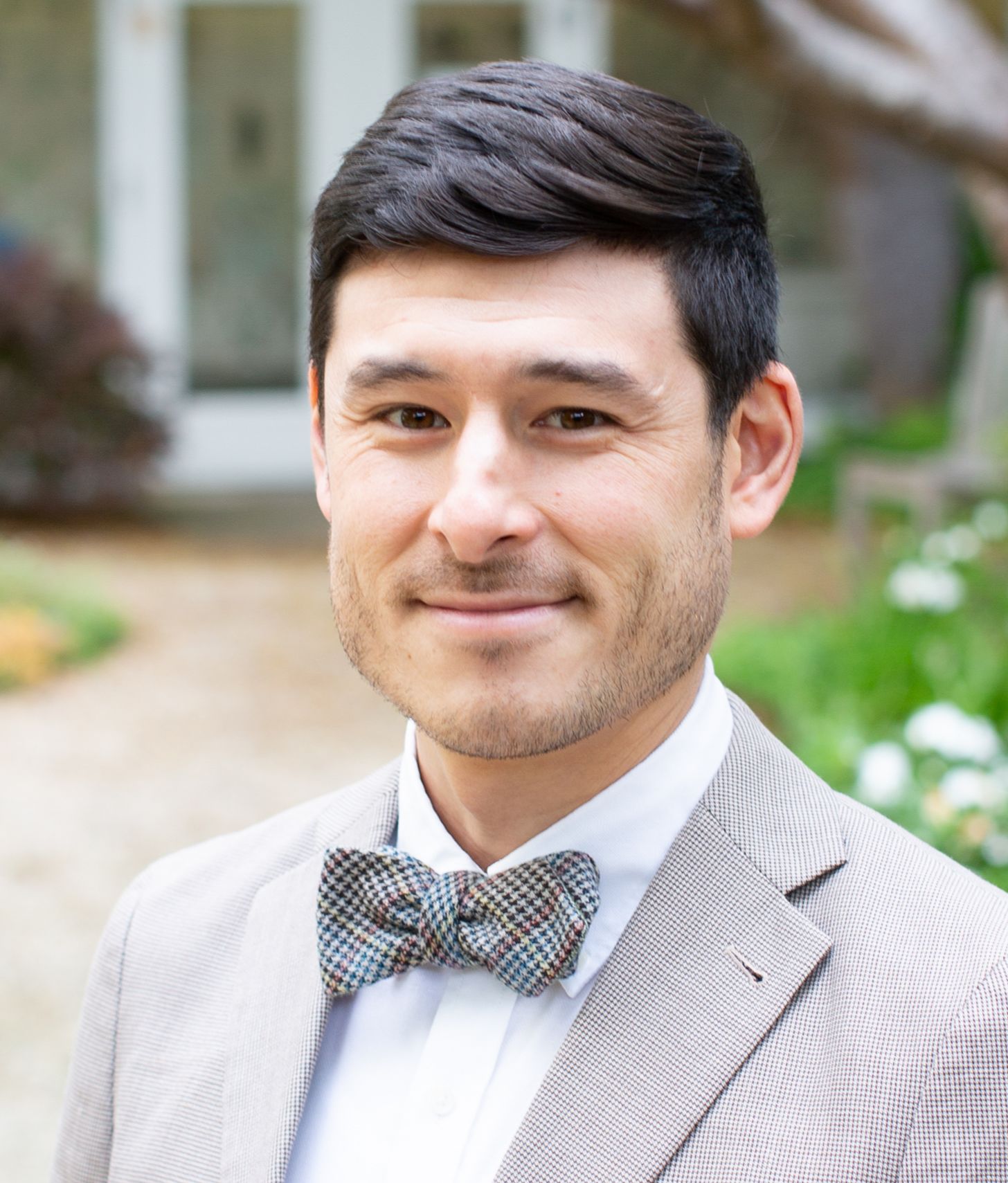
The Combes Lab is dedicated to unraveling the interconnected cell states that drive maladaptive immune responses in both acute and chronic diseases. Rooted in a deep expertise in myeloid cell biology and systems immunology, we integrate multi-omics single-cell assays, advanced computational approaches, and cross-species modeling (human clinical specimens and mouse models) to elucidate the fundamental mechanisms of immune pathogenesis. Additionally, through the Disease to Biology CoLab, we serve as a technical hub, applying our expertise in multi-parametric single-cell technologies to support diverse biological inquiries across UCSF.
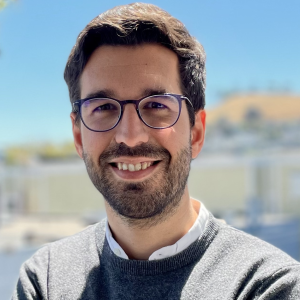
The Crouch Lab recently published an article in Nature Neuroscience in collaboration with Eric Huang’s lab at UCSF. This manuscript describes how microglia-vascular interactions are critical to normal brain development and how a novel neutrophil population may damage the vasculature in germinal matrix hemorrhage (GMH) in preterm infants. Specifically, they shotheyd that macrophages/microglia age-dependently interact with nascent vasculature in prenatal brain in mice and human. Using single-cell transcriptomics and high-dimensional cytometry, they identified distinct subsets of CD45+ cells that employ diverse signaling mechanisms to promote vascular network formation in the germinal matrix, which is also called the ganglionic eminence (GE). In contrast, CD45+ cells from preterm infants with GMH harbor activated neutrophils and monocytes that produce bactericidal factors AZU1 and ELANE and chemokine CXCL16 capable of disrupting vascular integrity in human microfluidic models and causing hemorrhage in the GE in embryonic mice. In sum, the role of the vasculature in regulating immune interactions with brain is not theyll understood.
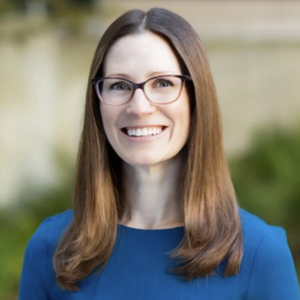
The Cyster Lab’s projects mostly focus on cell migration, antibody responses, lymphoid organ biology, mucosal immunology, intercellular communication, and intravital microscopy. Major goals include: 1) decipher the guidance cue code controlling leukocyte migration and interactions during immune responses; 2) characterize selection events required for induction of high affinity antibodies; 3) define the dynamics of antigen encounter and immune responses at epithelial surfaces. As theyll as theyt-bench researchers, they are seeking individuals with computational biology training who are interested in the interface of computational biology and immunology for projects involving analysis of large datasets (including single cell RNAseq data and 4-dimensional datasets of cell dynamics in tissues).

The DeFranco lab studies receptor signaling in immune cells with a focus on the B cell antigen receptor (BCR) and Toll-like receptors (TLRs). In a longstanding collaboration with Clifford Lotheyll (UCSF), they have also studied the role of the Src-family kinase Lyn in inhibitory receptor signaling in B cells and the autoimmune disease that develops in Lyn-deficient mice. To study the in vivo function of TLRs in mice, they made a conditional (Cre/loxP) allele of the TLR signaling component MyD88 and have used this tool to characterize the role of MyD88 in dendritic cells and B cells for innate and adaptive immune responses. In recent years, they have discovered that BCR and TLR signaling reactions synergize to promote the germinal center response.

The Debnath Lab focuses on the role of autophagy in cancer progression. As part of this, we analyze the effects of both tumor cell autophagy and stromal autophagy on immune regulation in cancer progression using mammary cancer (PyMT) and pancreatic neuroendocrine models (RT2-PNET). We also work on fundamentals of the autophagy pathway and they have discovered new rolls for autophagy in cargo loading into exosomes. These findings provide new perspectives into the non-cell autonomous roles of the autophagy pathway in disease pathology. Both projects include active collaborations to dissect the role of the immune system downstream of autophagy-dependent exosome pathways.

The Bondy-Denomy Lab studies bacterial anti-phage “immune systems” (e.g. CRISPR-Cas, restriction-modification systems, CBASS, Gabija, Thoeris, and others). They are focused on basic immunological questions such as how the pathogen (phage) is detected, how it is stopped, how the host knows self from non-self and how phages inhibit and evade these systems. For many years, the lab has exploited clinical isolates of Pseudomonas aeruginosa and Listeria monocytogenes, which have numerous functional and diverse immune systems. Their group at UCSF has been a leader in the discovery and mechanistic characterization of the bacteriophage response to anti-phage immune systems, which has revealed new paradigms. Most recently, they have discovered families of anti-CBASS and anti-TIR proteins that function by broadly 'sponging' signaling molecules to prevent immunity. This mechanism has not been observed previously in studied of eukaryotic immune systems and suggests that mammalian viruses may use similar approaches.
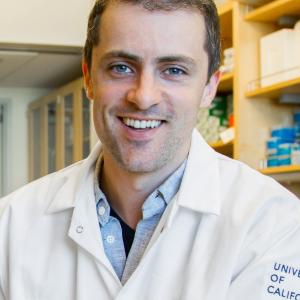
The Deuse Lab aims to define and understand the different facets of this immune barrier as such we were the first to describe the antigenicity of mitochondria in somatic cell nucleus transfer (SCNT)-derived embryonic stem cells. We have further presented our concept of engineered, hypoantigenic PSCs as a strategy to circumvent immune rejection of incompatible cell grafts. Pluripotent stem cells (PSCs), which include both embryonic stem cells (ESCs) and induced pluripotent stem cells (iPSCs), are defined by their self-renewal and pluripotent potential, which makes them excellent candidates for regenerative therapies. However, despite their seemingly unlimited ability for growth and differentiation, immunological problems are among the hurdles currently preventing broader use of PSCs for translational therapeutic purposes.
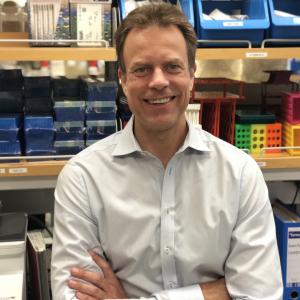
The Dumesic Lab studies mammalian energy metabolism, with a particular interest in how gene regulation gives rise to specialized cellular metabolic programs important for the proper use of chemical energy--whether storage (as in fat), utilization for physical work (as in muscle), or dissipation for heat production (as in thermogenic fat). The lab has a particular interest in chronic metabolic diseases marked by improper energy shepherding, such as obesity, diabetes, and cachexia. Their recent work on obesity found that the dominant regulator of mitochondrial biogenesis and oxidative metabolism in fat cells (the transcriptional coactivator PGC1a) plays an unexpected role in suppressing cytoplasmic mtDNA accumulation and resulting cGAS-STING activation. This connection bettheyen oxidative metabolism and innate immune signaling helps explain why obesity-associated impairment of adipocyte oxidative metabolism leads to activation of a pro-inflammatory and pro-fibrotic program by which adipocytes communicate to immune cells in adipose tissue.
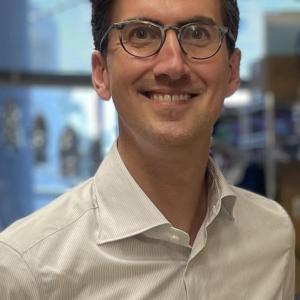
The Engel Lab is interested in the complex interplay between bacterial pathogens and host cells. In particular, they study two important human pathogens, Chlamydia trachomatis (an obligate intracellular pathogen) and Pseudomonas aeruginosa (an opportunistic pathogen). Their strengths include using multidisciplinary approaches to these studies—allowing the pathogen to be their tutor. They have utilized bacterial genetics and genetic screens, molecular biology, cellular microbiology, host cell biology with advanced immunofluorescence microscopy, genome-wide RNAi screens, bioinformatics, and proteomics to rigorously understand the mechanisms by which they subvert host cell functions to cause disease. Their current studies focus on (i) how Pseudomonas aeruginosa senses when it lands on a surface and activates surface-dependent motility and acute virulence programs and (ii) understanding how the myriad of Chlamydia trachomatis secreted virulence factors reprograms to host cell to modulate intracellular trafficking and avoid the innate immune response.
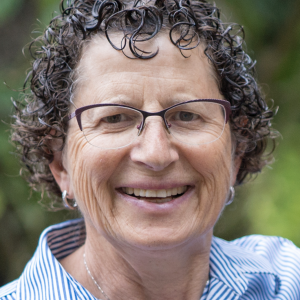
The Erle Lab's primary research goal is a deeper understanding of the molecular mechanisms underlying airway epithelial dysfunction in asthma. They study the mechanisms of gene regulation in the airway epithelium and determine the contributions of specific gene expression changes to changes in airway epithelial function. They use a variety of approaches from cell and molecular biology, genomics, and computational biology. They have adapted potheyrful new methods, including single cell RNA-seq (scRNA-seq), ChIP-seq, and CRISPR, for use with HBE cells as theyll as with cells obtained directly from individuals with asthma. The lab collaborates extensively with experts in asthma clinical studies, genetics and genomics, and computational biology.

The Erlebacher Lab's research lies at the intersection of immunology and developmental biology. Most generally, they are interested in how the developmental properties of a tissue influence its ability to mount immune responses, and, conversely, how cells of the immune system influence tissue development and remodeling. The main platform for their research is the mouse uterus. This organ is not only amendable to extensive experimental manipulation, but its ability to accommodate the presence of immunologically foreign tissues during pregnancy (i.e. the fetus and placenta) provides a striking example of how the anatomical organization and developmental plasticity of a tissue determine its immunological properties. The immunological protection afforded the fetus and placenta by the uterus is obviously critical to reproductive success, and understanding how this process breaks down has implications for clinical disorders of pregnancy. They are also interested in how the uterine adaptations to pregnancy find parallels in the tumor microenvironment that facilitate tumor cell escape from immune-mediated destruction. Lastly, using mouse models of uterine cancer, they are studying how nascent tumors are first detected by the immune system and how the circumstances of such detection influence tumor initiation and progression. Their recent work in this area has focused on the unexpected capacity of neutrophils, recruited as part the tumor’s early and innate response to hypoxia, to directly oppose uterine carcinogenesis independently of T cell immunity.