



ImmunoX Faculty Directory
The Faculty Directory highlights the diverse community of faculty engaged with the Bakar ImmunoX Initiative. Use the filters to explore areas of expertise, connect across disciplines, and learn more about the people advancing immunology research and training at UCSF.
Join Our Community▸




The Ernst Lab's research includes basic studies of mechanisms of immunity and immune evasion in TB using animal models, and human studies of immunity to TB. Using animal models, we have identified cellular and molecular mechanisms employed by M. tuberculosis to evade recognition and elimination by T cell responses, and have defined the dynamics of cell trafficking, differentiation, and infection in vivo, to identify check points for preventive and therapeutic intervention in TB. In performing these studies, we have discovered unexpected diversity in the phenotypes and functions of the cells infected by M. tuberculosis in vivo and that explain how M. tuberculosis survives and replicates in professional phagocytic cells. In human studies, we have discovered that in contrast to pathogens that employ antigenic variation to evade immunity and cause persistent infection, the human T cell antigens and epitopes of M. tuberculosis are highly conserved, even in strains that diverged from a common ancestor thousands of years ago. We have identified rare antigens of M. tuberculosis that show evidence of diversifying selection, and have initiated studies to test the hypothesis that T cell responses to those antigens are associated with superior protective immunity compared with T cell responses to conserved antigens.

The Eyquem Lab is focusing on engineering T and NK cells to improve their anti-tumor activity in the context of an immunosuppressive tumor environment. We are studying CAR T and CAR NK cell function/dysfunction in immunocompetent mouse models using single-cell analysis and gene editing. We are also developing novel CAR designs, using genome and epigenome editing to better control T cell fate and ultimately overcome or remodel the tumor microenvironment.
The Fahy Lab focuses on investigations of disease biology in airway diseases such as asthma, CF and COPD. Using carefully collected biospecimens from well characterized research participants and a variety of ex vivo analyses and assays, we explore molecular phenotypes of disease with a view to improving precision based treatments. The emphasis of the lab is on asthma and we have a strong interest in type 2 immunity and how type 2 responses differ among patients and drive mucus gel pathology. Image-base quantification of airway mucus plugs and exploration of novel treatments for mucus occlusion of the airways are also areas of active investigation.

The Fassett Lab's research program focuses upon understanding the tissue-centric and systemic neuroimmune biology of IL-31 in inflammatory skin diseases. IL-31 is expressed in a tiny number of immune cells, yet therapeutic blocking of its receptor results in impressive reduction in disease metrics in at least two chronic inflammatory skin conditions: atopic dermatitis and prurigo nodularis. Together, these findings suggest IL-31 is a tightly-regulated, highly-potent protein. Therefore, our current research goals are: A) to elucidate the gene regulation of IL-31; B) to rigorously characterize the rare IL-31-producing lymphocyte and non-lymphocyte populations in chronic skin inflammation; and C) to define disease-relevant contributions of IL-31-producing cells and IL-31-responsive cells in skin and other barrier organs.
The Feeney Lab focuses on two of the greatest threats to children’s health worldwide, Malaria (1 million pediatric deaths annually) and HIV/AIDS (230,000 pediatric deaths annually). The broad goals of my research program are to identify correlates of protective immunity to HIV and malaria in order to guide the rational design of vaccines and immunomodulatory therapies. They are also interested in understanding how the immune response of infants and young children differs from that of adults, in order to optimize the immunogenicity of vaccines and other strategies targeting infants.
The Feng Lab's research focuses on transplant immunology, with a particular focus on determinants of organ tolerance. We are also investigating novel immunosuppressive regimens and pursuing immunosuppression withdrawal in selected liver transplant recipients. By studying the immune profiles of transplant patients who are successfully weaned from immunosuppressants, we hope to predict prospectively which patients may be good candidates for immunosuppression withdrawal.

The Fidler Lab is centered on understanding how hematopoietic cells, primarily macrophages (Mf), promote atherosclerosis. Mfs play a critical role in atherosclerosis by retaining lipids and modulating the inflammatory landscape shaping the local milieu. Their research will center on elucidating mechanisms by which dysfunctional Mfs promote atherosclerosis. The lab examines why clonal hematopoiesis (CH) driven by mutations in PPM1D and ASXL1 lead to increased cardiovascular disease. This aim has already received R00 funding to determine the impact of PPM1D truncation mutation on atherosclerosis. They have developed a model of ASXL1 CH using CRISPR-mediated gene editing in murine hematopoietic stem cells (HSC) to assess the contribution of Asxl1 mutations on atherosclerosis.
Studies of CH have underscored the importance of dysfunctional Mfs to atherosclerosis pathogenesis; therefore, they also aim to identify novel factors which promote the accumulation of Mfs in plaques. These studies expand on the lab's findings in mice modeling JAK2 CH where they found that the percent of Mfs harboring Jak2 mutations in lesions doubled relative to the burden of mutated monocytes in blood, indicating that either monocytes/Mfs with mutations enter the lesions at a higher rate, proliferate more, or survive longer than WT cells in the same mouse1. Here they utilize CRISPR genome-wide analysis to identify novel genes which may also promote the accumulation of Mfs in plaques. Together these projects aim to identify novel therapeutic approaches that could be deployed to suppress Mf dysfunction in atherosclerosis.

Dr. Fragiadakis is the director of the Data Science CoLab, a collaboration-based research lab with an emphasis on complex data analysis and computational methods development. Our research program focuses on understanding immune state across disease contexts using high-dimensional immune profiling methods including single-cell RNAseq and CyTOF. In addition, we are passionate about data science training for biologists who want to better engage with their data. We also build tools for biologists to store and interact with their data, including our data library project. Our philosophy is that successful data-heavy projects happen by integrating biological understanding and intuition with advanced skills in data science. This can happen by facilitating close collaborations between experimental and computational biologists, as well as by empowering biologists to work with their own data.
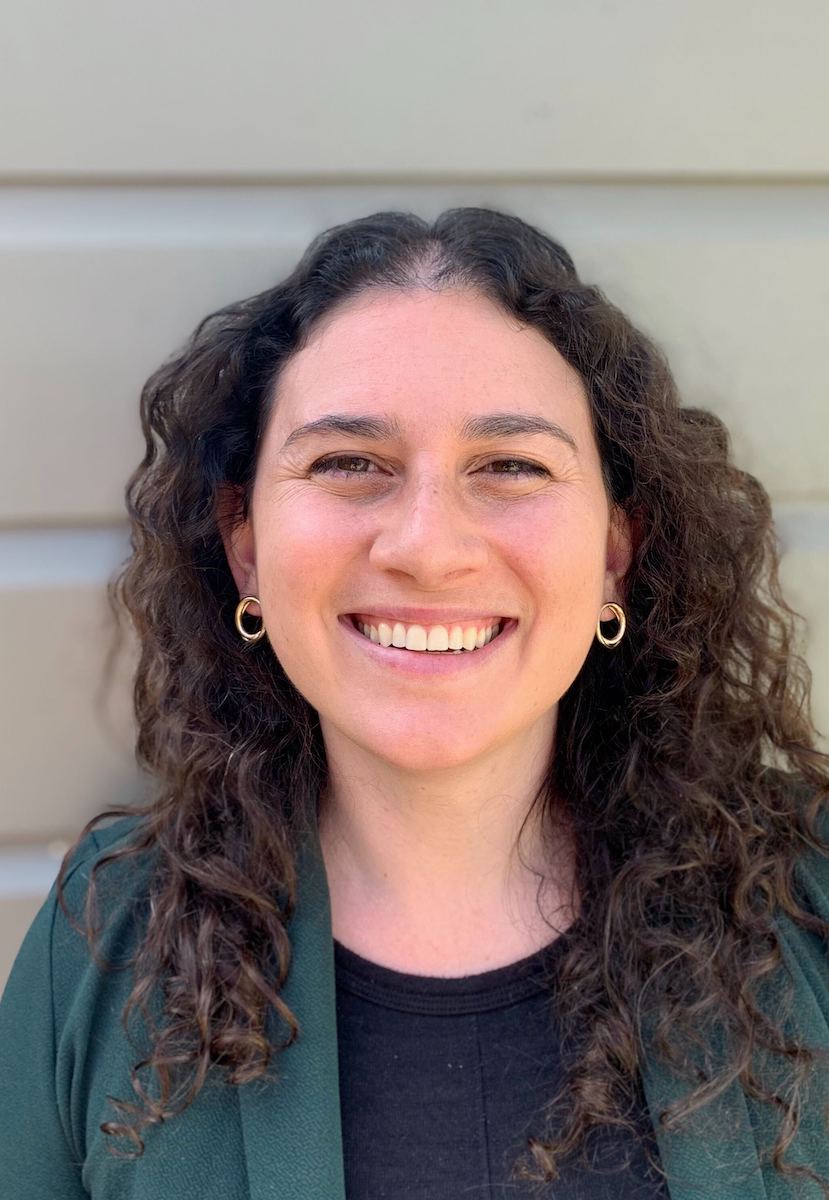
The Gardner Lab has both a clinical focus in transplant surgery as well as a basic science focused Immunology lab in the UCSF Diabetes Center. Fundamentally, we are interested in understanding the basic mechanisms of self-tolerance in the adaptive immune system, and how characterizing that biology might eventually translate into improved therapeutics in autoimmunity, transplantation, and tumor immunotherapy. In particular our lab focuses on the biology and function of a unique population of dendritic cells expressing the Autoimmune Regulator (Aire) gene, and we have shown these cells to be potent inducers of immunologic tolerance.
The Gaw Lab focuses on the placental response to perinatal infections and biological correlates of clinical outcomes from a histopathologic and molecular approach. We have three main lines of research in our laboratory- malaria in pregnancy, Zika infection in the placenta, and SARS-CoV2 infection in pregnancy. All areas are unified by the goal of understanding how inflammatory responses at the maternal-fetal interface influence pregnancy outcomes. Our work leverages unique patient samples prospectively collected in endemic regions through successful collaborations, and have great potential to bridge the gap between molecular technologies, human responses to infection, and clinical outcomes. These studies will identify novel mechanisms of pathogenesis and potential pathways for therapeutic intervention to prevent the adverse consequences of these perinatal infections.
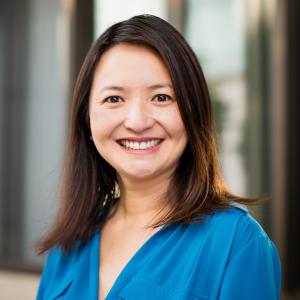
The Goga Lab’s research focuses on three main immunological goals: First, their lab studies basic aspect of cancer biology, including how do specific oncogenes alter tumor-immune interactions. For example, they have discovered that MYC-driven breast cancers may regulate the tumor microenvironment via cell intrinsic and extrinsic effects. They are currently exploring how extracellular vesicle (EV) contents of MYC-driven breast tumors effect the composition of tumor immune composition. Secondly, their group explores patient response to combined targeted and immune therapies as participants in several clinical trials. Third, they explore in cancer and immune metabolic alterations, which may be new anti-cancer therapeutic approaches.
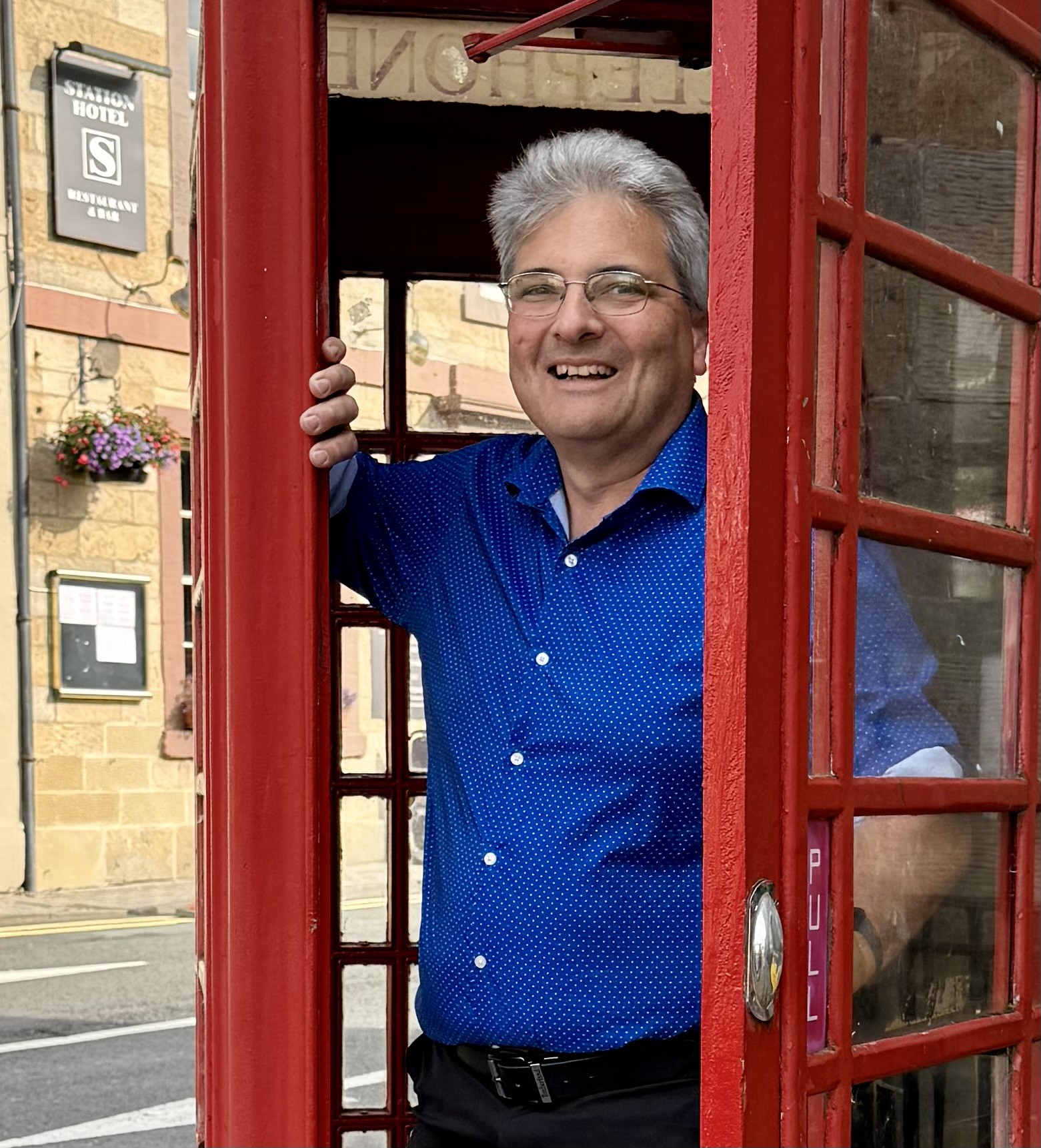
The Goldberg Lab studies how crosstalk between the immune and metabolic systems coordinates immune function, inflammation, and chronic disease. Specifically, they propose a bi-directional circuit in which (a) immune cell activation and inflammatory potential is dictated by the metabolic environment, and (b) immune cells modify metabolic organ function to impact systemic metabolic health.
