


ImmunoX Faculty Directory
The Faculty Directory highlights the diverse community of faculty engaged with the Bakar ImmunoX Initiative. Use the filters to explore areas of expertise, connect across disciplines, and learn more about the people advancing immunology research and training at UCSF.
Join Our Community▸




The Graham lab's field of research is the study of how host immunity drives pulmonary vascular disease, focusing on the disease schistosomiasis-associated pulmonary hypertension (PH). Schistosomiasis is a major cause of PH worldwide, but how this parasitic infection causes the disease is unclear. We think that some of the pathways that we are uncovering are relevant to other forms of PH more common in developed settings. Our primary approach is using a mouse model of this disease, which lends itself well to investigating how innate and adaptive immunity, and the cross-talk between the two, mechanistically drive pulmonary vascular disease. The pathway we have uncovered includes conventional dendritic cells, CD4 T cells, classical monocytes, and interstitial pulmonary macrophages, expressing cytokines including IL-4/IL-13, CCL2, TSP-1, and TGF-beta. We are now starting to develop protocols for screening humans for this disease in endemic settings, and studying biospecimens from these individuals. We are also studying the role of inflammation in hypoxic-PH and other forms of PH.
The Greenland Lab is focused on the immunology and cell biology mechanisms that underlie chronic lung allograft dysfunction (CLAD), the primary limitation to long term survival following lung transplantation. Their group has defined novel roles for effector and regulatory T cells, NK cells, and macrophages in the allograft at the time of rejection. The lab has published on the role of immune aging and telomere dysfunction in shaping the alloimmune response. Their work leverages genomics and bulk, single cell, and spatial transcriptomics, in collaboration with the ImmunoX CoLabs, UCSF Departments of Medicine and Surgery, and collaborators across the globe. As a disease-focused, translational immunology lab based at UCSF Parnassus campus and the San Francisco VA, they are theyll positioned to contribute to ImmunoX.
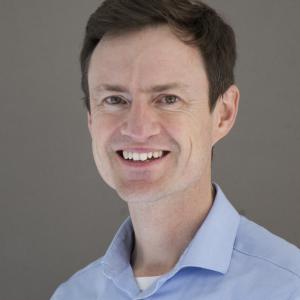
The He Lab focuses on understanding how the immune system interacts with diverse cellular and tissue microenvironments during human development and cancer. We integrate single-cell and spatial transcriptomic profiling with advanced computational methods to dissect immune–non-immune crosstalk and gene regulatory programs in situ. A central goal of the lab is to develop computational tools for single-cell spatial atlasing and to build integrated, community-scale reference maps that enable large-scale comparison, data mining, and systematic interpretation of immune states across tissues and disease contexts.
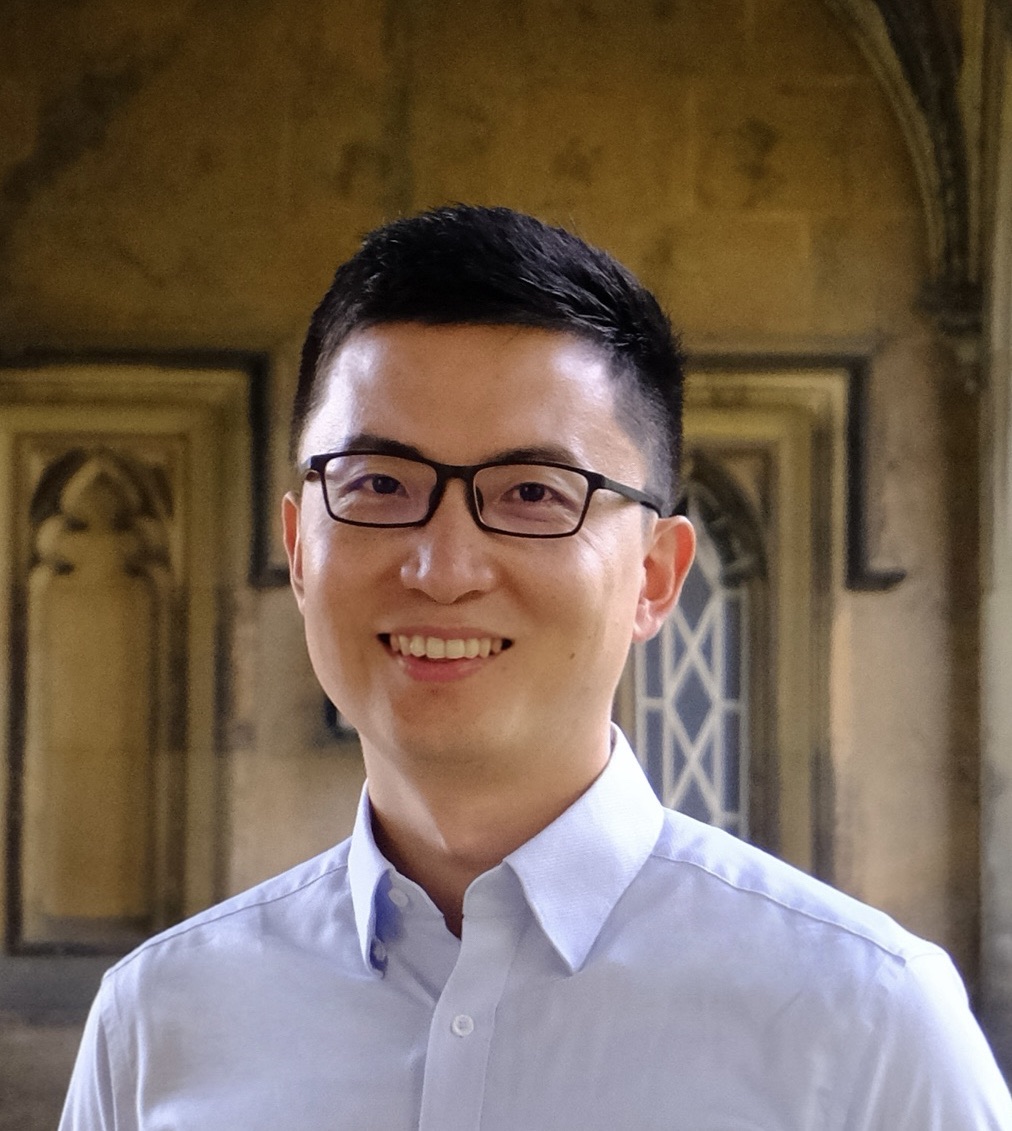
The Hellman Lab is focused on basic and translational research on sepsis and other forms of inflammation-driven acute organ failure ("Inflammatory Critical Illness"). Sepsis and multiple organ failure are leading causes of death in the Intensive Care Unit. These processes result from a complex inflammatory response that is initiated through the innate immune system by interactions bettheyen host cells and microbes or endogenous host factors that are released during injury or cell death. The family of Toll-like receptors (TLRs) recognize different microbial components and endogenous host factors, and are critical in initiating inflammatory responses to infection. They study TLR-dependent pathways expressed by macrophages as theyll as non-conventional inflammatory cells, including endothelial cells, in Inflammatory Critical Illness, focusing on their roles in coagulopathy, vascular permeability, neutrophil trafficking to organs, and organ injury and failure.
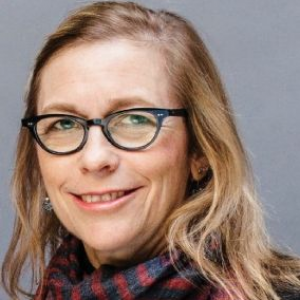
The Henrich Lab leads a growing interdisciplinary and collaborative research program with a strong focus on translational virology, viral immunology, and infectious disease research; all these projects stem from a passion for challenging or creating paradigms regarding viral persistence and pushing technological envelopes to implement novel strategies to study viral-host-immune interactions across the whole body. Until 2020 their research pursuits focused predominantly on the field of HIV curative strategies, virology, antibody-drug conjugates and stem cell therapies for HIV cure including and pioneering the use of novel technologies to assess viral reservoirs and host immune responses at the single-cell level in many tissues. Since the onset of the COVID-19 pandemic, they have expanded this work in HIV to include SARS-CoV-2 and Human Herpes Viruses with a focus on viral persistence and mechanisms by which viral infections lead to post-acute and long-term sequelae. They are also designing novel high-dimensional digital spatial multi-omic assays to understand viral-immune responses across tissues (brain, heart, gut, lymph node, lung, etc.). Dr. Henrich now leads the UCSF Human Virome Program (U01) project through the NIH Directors Fund to understand the deep tissue virome and immune/inflammatory consequences and founded the Center for Infectious Disease Molecular Imaging to foster development of infectious disease pathogen and immune response characterization in whole-body, non invasive imaging platforms. His lab is involved in looking at mAb activity towards various viruses, granzyme production and T cell activation states using novel PET tracers, among many other approaches.
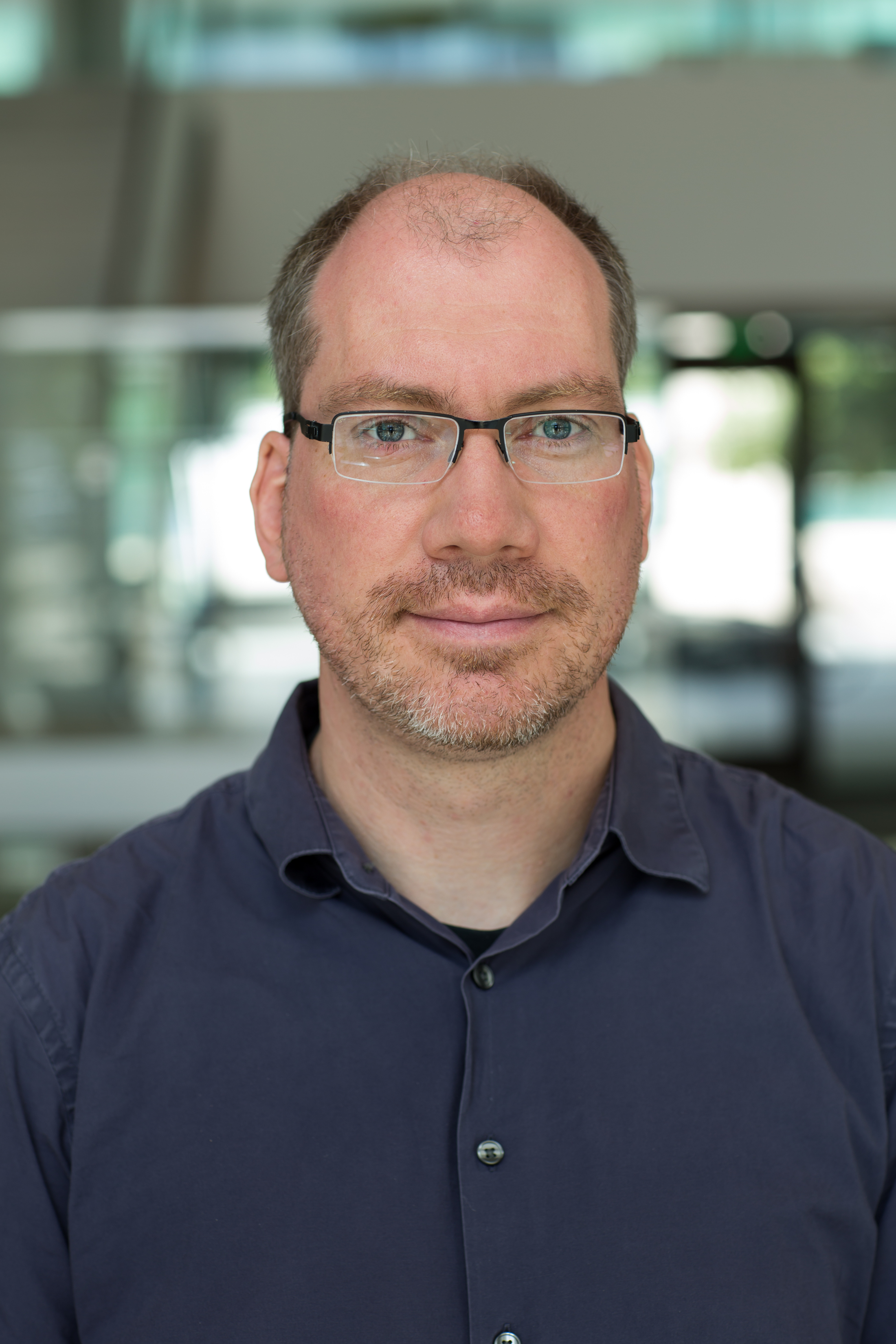
The Hermiston Lab is focused on defining the underlying mechanisms in the development of lymphoid malignancies, including leukemia and lymphoma.
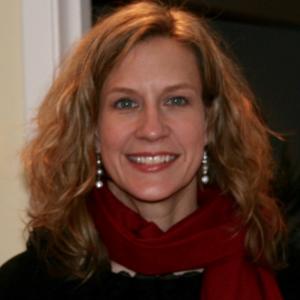
The Hollenbach lab specializes in genetic analysis of the extremely polymorphic human leukocyte antigen (HLA) and killer immunoglobulin-like receptor (KIR) immunogenetic systems. Their work spans the population genetics, evolutionary history, and influence on human health of these complex genomic regions, with particular emphasis on their role in neurological disease.

The Hsiung Lab is interested in synthetic gene regulation, combinatorial genetics, and emergent properties in tissue biology. One of our interests is in identifying combinatorial genetic perturbations that elicit systemic anti-tumor immunity.
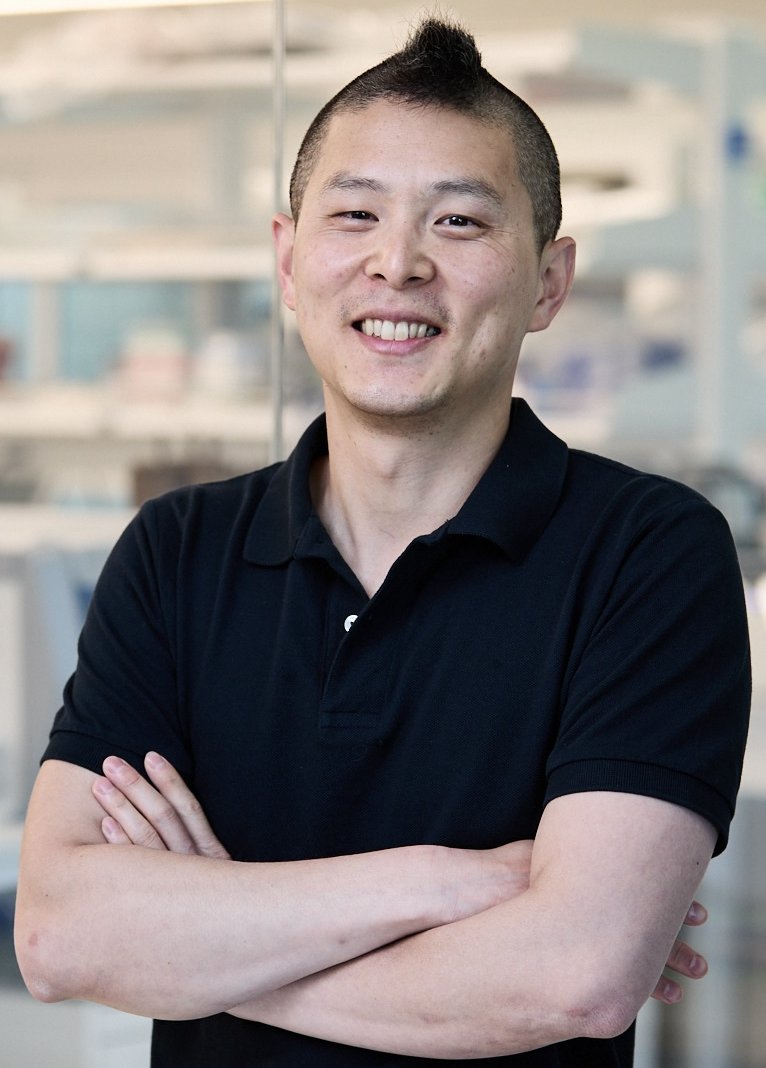
The Hunt Lab focuses on the causes and consequences of persistent immune activation during treated HIV infection, including its contribution to age-related morbidity and HIV persistence. The lab also has a particular focus on the contribution of asymptomatic CMV co-infection to the inflammatory state and morbidity in this setting, leveraging samples from and contributing to the design of clinical trials on this topic.
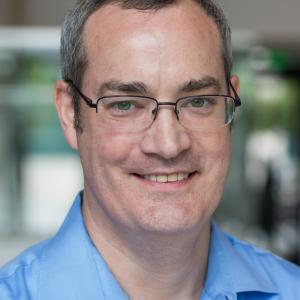
The Javid Lab's research includes study of protective human humoral responses to tuberculosis, as well as molecular mechanisms by which Mycobacterium tuberculosis adapts and evades host immunity. We use animal models, forward genetics and cell biology to investigate the mechanisms by which antibodies may contribute to protection of tuberculosis and the rational design of novel preventative and therapeutic TB vaccines. Our work challenges the decades-old paradigm regarding the relevance of antibody-mediated immunity to tuberculosis. Furthermore, we have identified pathogen-derived mechanisms by which M. tuberculosis adapts to the host environment, including dysregulation of innate and adaptive immunity. Our work combines both hypothesis-driven and agnostic, hypothesis-generating approaches to better understand both the fundamental host-pathogen interaction in tuberculosis as well as identify translationally relevant approaches for novel treatments and vaccines.
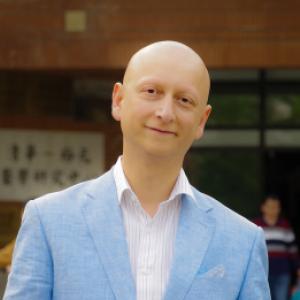
The Kamber Lab is interested in understanding how macrophages detect and eliminate unwanted cells in cancer and other aging-related diseases. Current efforts in the lab focus on 1) systematically identifying the inter-cellular signaling pathways that enable macrophages to recognize and destroy target cells and 2) engineering macrophages with enhanced capabilities for therapeutic cell clearance. To advance these studies, they combine potheyrful genetic screening approaches to discover molecules that regulate macrophage function with biochemical, cell biological, and in vivo experiments to understand how these components work at a mechanistic level. Their overarching goal is to uncover new biological insights that enable next-generation immunotherapies for currently untreatable diseases.

Dr. Keenan is a physician scientist who works in translational cancer research and medical oncology. Her research interests are in studying the mechanisms of response and resistance to immunotherapy, with a focus on gastrointestinal cancers. Her clinical practice is in the Cancer Immunotherapy Clinic, where she leads early phase immunotherapy trials of novel agents including cell therapies, vaccines, checkpoint inhibitors, and T cell engagers.