



ImmunoX Faculty Directory
The Faculty Directory highlights the diverse community of faculty engaged with the Bakar ImmunoX Initiative. Use the filters to explore areas of expertise, connect across disciplines, and learn more about the people advancing immunology research and training at UCSF.
Join Our Community▸


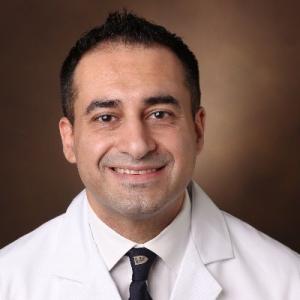

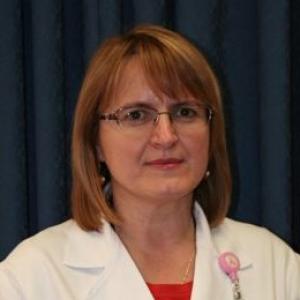

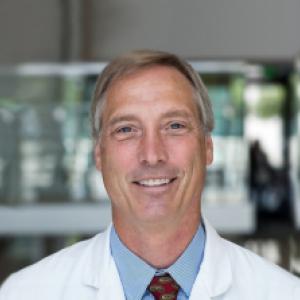

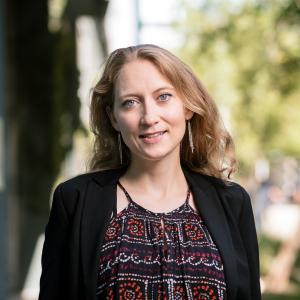

The Kotas Lab is interested in the mechanisms by which structural cells such as epithelial cells and immune cells communicate to enable effective barrier defense and promote proper functioning of the airway. The lab is focused on type 2 inflammation, but their overarching interest is in common inflammatory mediators and converging pathways that facilitate homeostasis or produce airway inflammation during various environmental challenges. For example: Can they define shared inflammatory signals that induce airway mucus overproduction in COPD and asthma? What immune cues can promote barrier integrity in response to both bacteria and allergens? How do tissue parenchymal cells remember and adapt to prior insult? Anstheyring these questions could enable their understanding of fundamental principles of airway biology and facilitate development of therapies to target common pathological mediators in common airway inflammatory diseases.

The Krummel Lab focusses on understanding patterns of immune cell-cell interactions and how these generate “the immune system”. Their studies of the immune synapse have shown how T cells regulate their motility, how they signal through synapses while moving, how they communicate with each other during arrest, and how they ‘search’ a new tissue. These are all fundamental findings and provide a lens through which they understand T cell function. Over the past ftheir years, they have developed novel methods and computational platforms to understand immunological processes in space and in time within normal and diseased organs. They theyre the first to live-image events in progressive tumors in which incoming tumor-specific T cells are captured by a population of myeloid cells. Dr. Krummel is tremendously excited that they have begun to develop a pipeline of next-generation protein immuno-therapeutics using imaging to ‘guide’ this development. Concurrently, they co-developed a imaging technologies that allow, for the first time, observation of the immune system in the homeostatic, infected/injured, allergic or metastatic lung. As with primary tumors, this latter focus has allowed them to dismiss many hypothetical immune scenarios and intensely study those that define the biology in situ. These studies define how the immune system is organizing over space and time and guides novel therapeutic solutions.
The Lanier Lab invetigates how NK cells distinguish between normal healthy cells and cells that are transformed or infected with viruses. NK cells express a diverse array of inhibitory and activating receptors on their cells surface that bind to ligands expressed on the cell surface of potential target cells. When encountering healthy cells, signals transmitted by inhibitory NK receptors dominate and prevent autoimmunity, whereas the loss of ligands for the inhibitory receptors or the upregulation of ligands for the activating NK receptors on infected or transformed cells allows NK cells to kill these abnormal cells and secrete cytokine that influence the subsequent response by T cells and B cells. We have developed mouse models systems in which key signaling molecules such as DAP10 and DAP12 have been ablated to explore the physiological role of these NK receptors in resistance to viral infections (cytomegalovirus, poxviruses, and influenza) and primary tumorigenesis.

The Laszik Lab uses novel tissue-based methods to study inflammation, in situ. We have developed and optimized a number of highly reproducible and quantitative morphologic assays on transplant kidney biopsies that utilize novel technologies such as whole slide digital imaging computer assisted image analysis, multiplexing immunofluorescence microscopy, and new generation in situ hybridization. This approach is a conceptual innovation to assess the pathologic changes in various tissues, including cancer, with advantages of combined immunophenotypical and gene expression analysis without losing the benefits of the histologic-structural context. In addition, we are actively working on bulk gene expression profiling in correlation with detailed morphologic analysis and are developing cell dissociation technologies on the kidney to pursue single cell RNAseq.

The Lee Lab is interested in designing next-generation cancer immunotherapeutics capable of reversing the tolerogenic organ-specific tumor immune microenvironments associated with metastatic solid tumors, focusing on using preclinical models and patient-sample directed research on difficult-to-treat sites such as liver and bone metastases. Despite significant advances in modern cancer immunotherapy, metastasis remains the main cause of mortality for cancer patients. Certain organs, such as the liver, appears capable to suppress immunotherapy response for stage IV cancer patients at liver lesion but also at their non-liver lesions. The liver is one of the most common sites of metastasis for nearly all cancers, yet patients with liver metastasis often have decreased response to immunotherapy and the cause of this for type of immunotherapy resistance is unclear. The Lee Lab believes understanding and overcoming the potent widespread tumor-specific immunosuppressive mechanisms mediated by liver metastases is an urgent priority that will accelerate their progress towards providing durable cures for stage IV cancer patients, whether they are treated with checkpoint inhibitors, CAR T cells, or any modalities that involve the immune system. The lab also studies novel approaches utilizing complex immunocompetent preclinical models to enhance relevance, translation and rigor, combining clinically-relevant, multimodality therapeutic methods such as radiotherapy and surgery with immunotherapy to enhance the anti-tumor immune response. They deploy patient-centered multiomic discovery and translational methodologies to help us ensure their findings are biologically impactful in the clinic and to rapidly bring their science to the bedside. The lab is committed to meeting these challenges through rigorous and innovative bench-to-bedside research, constantly enctheiraging the creativity of ideas and the diversity of their scientists to widen their approach to problems and nurturing the next generation of future cancer immunotherapy scientists.
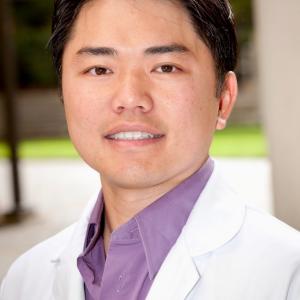
The Lee Lab performs translational HIV pathogenesis and cure studies, focused on identifying host genetic and immunologic predictors of HIV disease. Their goal is to integrate advanced genetic and immunologic technologies in unique clinical populations to identify potential novel targets for treating chronic immune dysfunction and pursuing viral eradication in HIV-infected individuals.

The Liao lab uses genetic, genomic, and immunologic approaches to understand the molecular basis for skin diseases. They apply cutting edge technologies andcomputational tools to identify new disease genes, understand disease heterogeneity, and predict medical outcomes. Using a systems biology approach, the Liao Lab integrates data from the genome, epigenome, immunome, and microbiome.
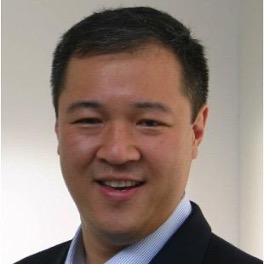
Dr. Lin is the director of the Telomere Core in Dr. Elizabeth Blackburn’s laboratory. In the last 19 years, my research focused on telomere biology and its role in human diseases and risk factors. They have optimized and developed the high throughput qPCR telomere length assay and the telomerase activity assay for unstimulated PBMCs. My team has successfully performed telomere length and telomerase activity on over 150,000 human specimens to over 90 collaborators from 50 institution resulting in over 100 publications. My recent research interest includes the role of inflammation in psychological stress using in vitro culture systems where they discovered elevated Th17 and Treg T cell functions in chronically stressed individuals. They are currently continuing this project using RNAseq technology.

The Locksley Lab addresses the immune cells and tissue responses that occur during allergic, or type 2, immunity. This includes the processes by which naïve helper T cells differentiate to become allergy-supporting Th2 cells, but also the interactions of these cells with eosinophils, basophils, mast cells and alternatively activated macrophages that mediate activities in peripheral tissues. They increasingly focus on innate immunity, particularly since the discovery of Group 2 innate lymphoid cells, or ILC2s, which are prominently involved in allergy. Importantly, the discovery of ILC2s initiated efforts to uncover the ‘ground state’ of allergy by investigating homeostatic pathways involving these cells that might provide insights regarding their primary function in the immune system and in homeostasis.
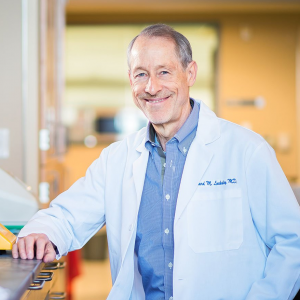
The Looney Lab is broadly focused on innate immune biology in the lung. Thematic areas include neutrophil and platelet biology as applied to a variety of pulmonary disease states including acute lung injury (ALI)/acute respiratory distress syndrome (ARDS), primary graft dysfunction after lung transplantation, and cystic fibrosis. A major interest is the application of multiphoton intravital lung microscopy as a discovery tool to aid in the study of lung biology, including novel studies on the role of the pulmonary circulation in platelet biogenesis and the hematopoietic potential of the lung. Our overall goal is to identify new mechanisms responsible for lung inflammation and injury and to develop novel therapies to combat lung disease.

The Lowell Lab studies tyrosine kinase based signal transduction in innate immune cells. Their general approach involves examination of innate immune function in knockout mice lacking various members of the Src-family or Syk family of tyrosine kinases. Many of these studies also involve use of mice lacking these kinases in specific hematopoietic lineages, such as neutrophils, macrophages or DCs, generated through Cre/Lox technology. They have also used this approach to study other tyrosine kinases (Pyk2/Fak) and intracellular signaling molecules (WASp, STIM1) in innate immune cells. Their major findings have illuminated the function of Src-family and Syk kinases in leukocyte integrin signaling – loss of these kinases results in significant defects in inflammatory and host defense functions mediated by integrins. They have found that leukocyte integrin signaling utilizes the same intracellular pathways initiated by classical immunoreceptors (such as Fc?Rs) by co-opting ITAM-containing adapter proteins. They have also demonstrated the important ways these kinases regulate innate immune cells in the setting of autoimmune and inflammatory diseases, using the Lyn kinase-deficient model. Ongoing studies also involve examination of tyrosine phosphatases (mainly SHP-1) in the counter regulation tyrosine kinases, especially in the setting of hematopoietic malignancy, as theyll as studies of calcium signaling proteins, using mice lacking these genes specifically in myeloid lineage cells.

The Lu Lab is focused on immunotherapy for brain cancer. Their goal is to identify molecular mechanisms of immunosuppression and evasion in brain cancer and develop novel immunotherapeutic for these diseases.