



ImmunoX Faculty Directory
The Faculty Directory highlights the diverse community of faculty engaged with the Bakar ImmunoX Initiative. Use the filters to explore areas of expertise, connect across disciplines, and learn more about the people advancing immunology research and training at UCSF.
Join Our Community▸




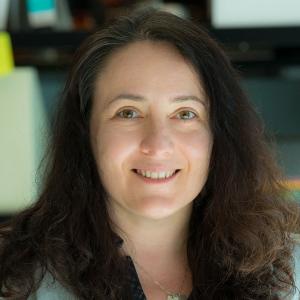









The Lynch Lab’s research focuses on microbial communities associated with chronic inflammatory diseases of the gastrointestinal and respiratory tracts. Using clinical samples to inform studies using murine models, they examine relationships bettheyen microbial community composition and function in an effort to better understand microbial-host interplay in the context of chronic inflammatory disease.

The Ma Lab studies the molecular and cellular mechanisms underlying inflammation and cancer. They have focused upon a subset of ubiquitin regulating proteins that play dominant roles in prevent inflammation and cancer. A20 and several biochemically related binding partners are potent regulators of ubiquitination and disease. These proteins exert several biochemical functions to (1) prevent inflammatory diseases and cancer in human patients; (2) prevent inflammation and cancer in mice; (3) restrict (NF-κB) signaling and immune cell activation; (4) restrict inflammasome activation; (5) prevent multiple forms of cell death; and (6) preserve tissue integrity. Patients born with haploinsufficient A20 genes develop early onset inflammatory diseases. Ongoing studies utilize genetic engineering, cell signaling, and mass spectrometry techniques to unravel the mechanisms by which A20 and related proteins regulate ubiquitin dependent signals and tissue homeostasis. They have recently generated a series of A20 knock-in mice to dissect the biochemical mechanisms by which A20 performs these critical functions. Translational research in the laboratory seeks to align insights from biochemical and mouse based biology with the biology of human peripheral blood cells and intestinal tissues. These efforts should improve their understanding of human disease subtypes and ultimately develop novel approaches of treating inflammatory and malignant diseases.

The MacKenzie Lab works on understanding maternal-fetal immunology with the goal of treating patients with birth defects using in utero stem cell transplantation. They also study the immune basis of pregnancy complications that arise due to a breakdown in maternal-fetal tolerance, such as preterm labor. They work on mouse models as theyll as patient samples and have a robust program for biobanking of human samples that can be useful to the group. The lab has collaborated with many members of the Immunology community and look forward to strengthening these collaborations.

The Maker Lab has focused the efforts of its research career on expanding the role of immunotherapy for gastrointestinal tumors and they have aligned their clinical practice to coincide with these research interests. Their research program has identified an immunostimulatory cytokine capable of activating and supporting the proliferation of antigen-specific T-cells to incite an anti-tumor immune response in colorectal liver metastases. This strategy is currently being investigated in combination with oncolytic viruses and immune checkpoint blockade to elicit complete tumor responses. Their lab also investigates novel drug combinations that stimulate immunogenic cell death and generate anti-tumor immune responses to treat GI tumor liver metastases. As part of these studies, they have developed multiple unique orthotopic animal models in which to study solid organ metastases that has led to multiple collaborations.

The Marson Lab aims to understand the genetic circuits that control human immune cell function in health and disease. They have begun to identify how genetic risk variants for autoimmune diseases disrupt immune cell circuits, and how pathogenic circuits may be targeted with novel therapeutic. They have developed new tools for efficient CRISPR genome engineering in primary human T cells and now they are pursuing a comprehensive strategy to test how coding and non-coding genetic variation control essential programs in the human immune system. Genome engineered human T cells hold great potential for the next generation of cell-based therapies for cancer, autoimmunity and infectious diseases.
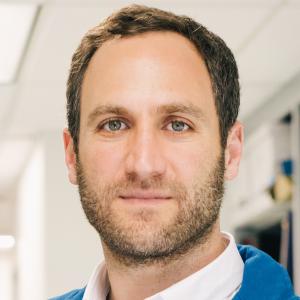
The Matloubian Lab's interests broadly lie in mechanisms of immune mediated diseases and approaches for a better understanding of the molecular bases of such processes. Our goal is to provide therapeutic treatment of autoimmune and inflammatory diseases through a better understanding of the involved pathways.

The McManus Lab uses uses systematic and synthetic approaches to study fundamental processes in gene regulation and cell biology, focusing on two main areas: 1) cell:cell interactions and 2) high-content functional genomics screens. These efforts aim to uncover how cells communicate, respond to their environment, and develop innovative tools to explore gene function.We investigate molecular mechanisms of cellular communication in both normal physiology and disease. By leveraging advanced tools and interdisciplinary approaches, we explore how these interactions influence development, immunity, and disease progression. A major focus is engineering cells to deliver therapies. Using genome-scale functional screens, we map genes and pathways regulating cellular behavior, shedding light on the dark matter of the genome. Our platforms combine CRISPR-based perturbations, deep sequencing, and imaging to generate detailed maps of gene function.Our lab creates novel technologies, from synthetic biology tools to high-throughput screening systems, enabling millions of parallel experiments. Operating at the intersection of immunology, developmental biology, and cancer research, we foster a collaborative environment for transformative discoveries that advance health and address complex diseases.

The Mellon Lab's resarch is focused on indentifying novel nuclear factors that regulate the transcription of the genes encoding some steroid synthesizing enzymes in the gonads and in the developing nervous system, and studies their mechanisms of action and regulation in normal and diseased gonadal and neuronal tissues. Her laboratory has also recently discovered that neurosteroids, steroids produced specifically in the brain, can directly influence nerve cell growth, development, neuroinflammation, and behavior. Working in conjunction with the Wolkowitz Lab, we are working to share data with other researchers examining the role of the immune system in cross-diagnostic pathology, and to add neuropsychiatric rating scales to other projects assessing immune function in diverse patients at UCSF.

Dr. Kristen Mengwasser is a physician-scientist rheumatologist, studying how autoreactive B cells contribute to human autoimmune disease. Her work involves applying genetic and molecular tools to search for the antigenic drivers and functional states of pathogenic B cells in patients with lupus, myositis, and spondyloarthritis. This work integrates high-throughput screening, CRISPR perturbation, and antigen discovery platforms applied to primary human cells and patient tissue. Ongoing projects include construction of a mammalian antigen discovery platform that will map paired antibody and B cell receptor specificities in human autoimmune diseases. In parallel, she is engineering human spleen and tonsil organoids to model autoimmunity ex vivo, and she is performing PERTURB-seq screens in primary human B cells.

The Minnie Lab is a tumor immunology lab with a focus on the differentiation of exhausted CD8 T cells in the bone marrow tumor microenvironment. They study multiple classes of immunotherapies, including antibodies, immunomodulatory drugs, adoptive cell therapies, and synthetic cytokines. Their mission is to leverage a mechanistic, hypothesis-driven approach to inform clinical translation of immunotherapies for patients.

The Molofsky Lab’s main goal is to define the role of glia and their immune roles in brain development. Our lab uses a combination of transcriptomic analysis and mouse genetics to discover novel roles for glia in synapse remodeling in the developing mouse brain. We are particularly interested in the communication astrocytes and microglia, two important cell types that respond to stress and immune activation. We recently identified the astrocyte-encoded cytokine Interleukin-33 as a key regulator of microglial synapse engulfment and demonstrated that it is required for normal synapse numbers and circuit function. Our lab continues to investigate brain-immune cross talk in synapse homeostasis during development, after injury, and in the context of brain plasticity and learning. These studies will form the basis for a new understanding of how the immune system impacts neurodevelopmental diseases including autism, epilepsy, and schizophrenia.
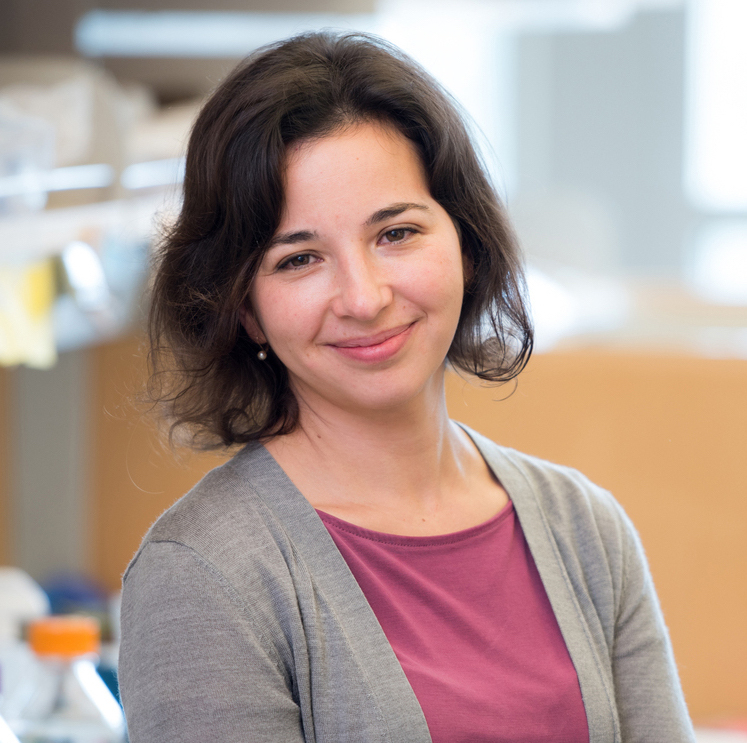
The Molofsky Lab's goals are to understand the function and regulation of tissue resident lymphocytes in settings of tissue development, remodeling, infection, and pathology while providing a strong and supportive environment for their research trainees. By understanding the physiologic roles of tissue-resident immune cells and their regulation, they hope to define novel pathways that can be targeted in diverse human disease, including obesity/type 2 diabetes, allergic pathologies (asthma, allergy, atopic dermatitis), and neuropsychiatric disease. They are focused on type-2 immune-associated lymphocytes, including group 2 innate lymphoid cells (ILC2) and subsets of regulatory T (Treg) cells, and the ‘niche’ signals involved in their regulation. These recently appreciated tissue resident cells are early organizers of tissue remodeling and first responders during tissue damage and infection, positioning them as key mediators of tissue health and disease.