


ImmunoX Faculty Directory
The Faculty Directory highlights the diverse community of faculty engaged with the Bakar ImmunoX Initiative. Use the filters to explore areas of expertise, connect across disciplines, and learn more about the people advancing immunology research and training at UCSF.
Join Our Community▸


The Momen-Heravi Lab strives to perform innovative science to understand the biological mechanisms underlying carcinogenesis mediated by tumor immune cell interactions and exploit tumor vulnerabilities to cure cancer. Their research bridges oral diseases and molecular immunology, investigating how mucosal barrier immunity, myeloid and lymphoid cell dysregulation, and microbe–host interactions shape both periodontal disease and cancer biology.

The Moslehi Lab is a basic and translational research laboratory focused on signal transduction in the myocardium and vasculature. Our clinical and research interests fall under the burgeoning field of cardio-oncology. In the past our group initially defined new clinical syndromes of immune checkpoint inhibitor (ICI)-associated myocarditis and other ICI-associated cardiovascular toxicities, including pericarditis and vasculitis. Our interest in "cardio-immunology" has recently expanded to other inflammatory cardiomyopathies, including giant cell myocarditis, acute cellular rejection (ACR) following cardiac transplantation, and other forms of myocarditis.
The Nayak Lab studies human gut microbiota and its role in the treatment of autoimmune diseases like rheumatoid arthritis. Specifically, we are interested in the reciprocal interactions between human gut microbes and the drugs used to treat autoimmune disease. Drugs commonly used to modulate the immune system in rheumatology have off target effects on microbes despite the fact that they were originally developed to target host cells. These off-target effects on microbes may have downstream effects on the host immune system, since it now well-established that microbiota can influence host immunity. These microbes harbor microbial enzymes to metabolize these drugs, thereby altering pharmacokinetics and influencing the ability of the drug to modulate host immunity. Thus, we seek to uncover under-appreciated roles for the microbiome in the treatment of autoimmune disease.
The Nedelcu Lab's primary focus is cellular therapies and transfusion medicine. Our current project in clinical transfusion medicine is to elucidate the mechanism of allergic transfusion reactions.
The Nishimura Lab's research spans basic, translational and clinical research themes. Their clinical/translational projects focus on the use of biospecimens and correlation of morphometry with gene expression and genetic variation in disease-susceptibility. Basic research themes focus-on the regulation of cell-extracellular matrix interactions by integrins, the role of host-pathogen interactions in innate and adaptive immunity in the evolution of fibroinflammatory diseases, the activation and function of TGF-beta in epithelial-mesenchymal-immune cell interactions and in tumor immunobiology. Current projects include the role of TGF-beta and inflammation in fibroinflammatory diseases, genetic variation in regulation of TGF-beta activation in COPD, the role of paracrine TGF-beta activation by mesenchymal cells in the regulation of innate and adaptive immunity, the role of autophagy in lung injury and repair, the role of integrin structure in TGF-P activation and the role of TGF-beta in tumor immunity.

The Norris Lab's research interests focus on how the human immune system responds to viral infections and transfusion. Our early efforts centered on defining how HIV-specific CD4+ T cells contribute to control of viral infection. A second area of interest has been defining the earliest events of viral infections through study of subjects with HIV, West Nile virus, and hepatitis viruses. Some of our more recent projects include understanding how blood transfusion affects the immune system and modulates immune responses in transfusion recipients, including the role extracellular vesicles play in immune modulation.
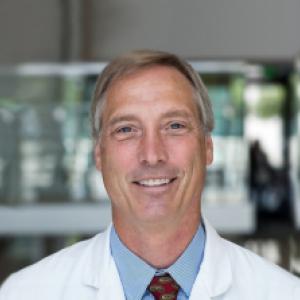
The Ott Lab is interested in how viruses interact with the host cell. Through these interactions we hope to gain new insight into cellular processes and the viral life cycle. Currently, we focus on three pathogens-the human immunodeficiency virus (HIV-1), Zika virus, and the hepatitis C virus (HCV)-and three cellular processes-lipid droplets, transcriptional elongation, and immune reprogramming. We recently developed several human 3D organoid models in the lab and study how viruses spread in these models using single-cell RNA-Seq. Our research is relevant for efforts to eradicate HIV from patients, to alleviate fatty liver disease in chronic HCV infection, and suppress uncontrolled immune activation in virally infected patients or patients with autoimmunity.
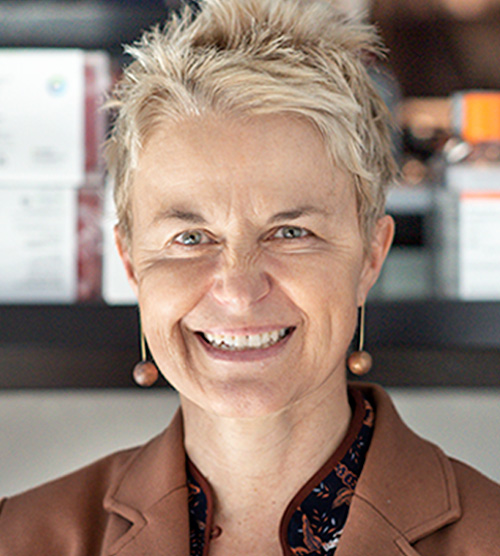
The Pelka lab studies the cellular interactions that shape immune responses in human tumors, focusing on how these responses are regulated. Immune cells cannot execute their function in isolation, but require interactions with other immune and non-immune cells. We still only understand a very small number of these communication networks. Using a combination of large-scale genomic analyses and tissue imaging approaches, we have identified hubs in tumor tissues where tumor cells come into close contact with immune cells. By characterizing and perturbing the cells in these hubs, and the gene networks that are turned on in these cells, we aim to uncover novel ways to harness the immune system in the fight against cancer.
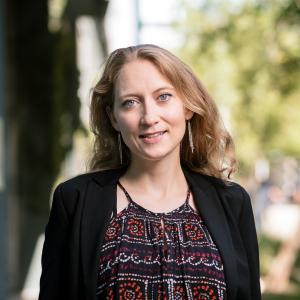
The Peng Lab is interested in how supportive niche cells modify the regenerative capacity of the stem cell, with the goal of deciphering cellular crosstalk that drives adaptive tissue regeneration. Our lab utilizes the lung as a model organ due to its immense cellular diversity and architectural complexity. Adult solid organs are composed of diverse cellular compartments with complex 3D organization that informs specific functions, with varying degrees of regenerative capacity in response to injury and tissue inflammation. While resident tissue stem cells play an important role in the regenerative process, they are located within a cellular ecosystem composed of various cell types that regulate stem cell function, including immune cells.
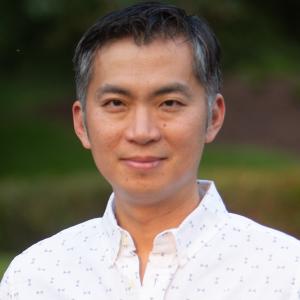
In the Perera Lab we study the mechanisms of autophagy-lysosome activation and how this organelle system contributes to cellular reprogramming in cancer. Autophagy and the lysosome function to capture and recycle diverse cellular and extracellular macromolecules. Our prior studies have identified transcription circuits essential for maintenance of autophagy and lysosome biogenesis in pancreatic cancer and our ongoing work focuses on identifying unique features and functions of these organelles in promoting tumor growth, immune evasion, metastasis and therapy resistance. We use a combination of techniques including organelle purification and biochemistry, immuno-fluorescence imaging, proteomics and metabolomics in cell lines, primary culture systems and genetically engineered mouse tumor models, to address how changes in organelle function in cancer cells and immune cells promote disease.
The Peterlin Lab uses molecular biology, immunology, virology and genetics to tackle intractable immunodeficiencies, be they the bare lymphocyte syndrome or AIDS. These approaches also find resonance in autoimmunity and cancer. In the process, these diseases and their pathogens educate us about human biology and evolution. Indeed, new paradigms in genomic stability, transcription, transport and intracellular traffic have been forthcoming from these studies. Our ultimate goals are to use this knowledge of basic molecular mechanisms to cure human diseases.

The Phillips Lab is broadly interested in how the molecular properties of viral proteins and antibodies constrain their evolution and co-evolution. Viral proteins and antibodies acquire amino acid substitutions at a rate orders of magnitude above most eukaryotic proteins. These substitutions can have pleiotropic consequences on protein stability, folding, and function. The lab is developing high-throughput evolution and phenotyping assays to determine how these properties, and trade-offs bettheyen them, constrain and potentiate the evolution of viral proteins and antibodies, and how this varies bettheyen distinct selection environments. These experimental platforms will enable them to (1) determine key constraints on protein evolution, (2) predict the emergence of new viral variants, and (3) design therapeutic strategies that are refractory to the development of resistance.