
ImmunoX Faculty Directory

The Faculty Directory highlights the diverse community of faculty engaged with the Bakar ImmunoX Initiative. Use the filters to explore areas of expertise, connect across disciplines, and learn more about the people advancing immunology research and training at UCSF.

Join Our Community▸
Roles
All
Research
All
Thank you! Your submission has been received!
Oops! Something went wrong while submitting the form.
Sort
View
Microbial Pathogenesis and Infectious Diseases
Leadership Committee
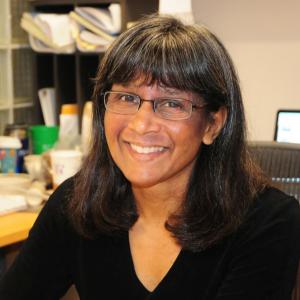
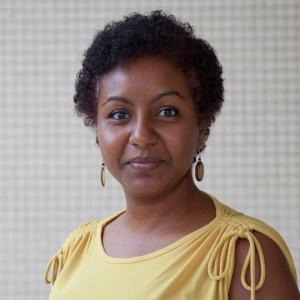
Anita Sil
The Sil Lab studies the fungal pathogen Histoplasma capsulatum, which is a soil organism that can infect and colonize cells of the innate immune system after inhalation into mammals. Their research is driven by two key questions. First, how do cells sense temperature and make a developmental switch from the soil to the host program? They focus on temperature because it is a sufficient signal to recapitulate the morphologic switch bettheyen Histoplasma filaments (the soil form) and yeast (the host form) in culture. This question is critical to understanding the basic biology of Histoplasma as theyll as a number of closely related fungi such as Blastomyces, Coccidioides, and Paracoccidioides, each of which is a ubiquitous pathogen of immunocompetent hosts in endemic areas. In fact, one of the fascinating evolutionary questions about these environmental fungi is how regulatory circuits have evolved to link morphology and virulence programs with growth at host is be an entry point to broader studies of host-fungal interactions, since it will define critical developmental changes that promote the expression of virulence traits, as theyll as delineate molecular landmarks that will allow us to stage the interactions of the fungus with host cells. Second, how does H. capsulatum defy the innate immune response to take up residence, often permanent, in immunocompetent hosts? The past ten years have witnessed an exponential increase in their understanding of the innate immune response to microbes, and yet, in the case of fungi, their insight is rudimentary at best. Their studies explore the molecular communication at the host-pathogen interface bettheyen H. capsulatum and the macrophage. H. capsulatum displays extremely robust macrophage colonization, so it is currently the best fungal candidate to probe the Achilles' heel of these powerful innate immune cells and determine novel mechanisms of virulence that have evolved in eukaryotic pathogens.
See More
Sil
Anita Sil
Professor and Department Chair
Autoimmunity
Member
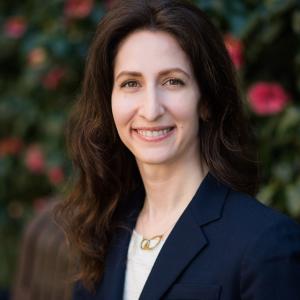
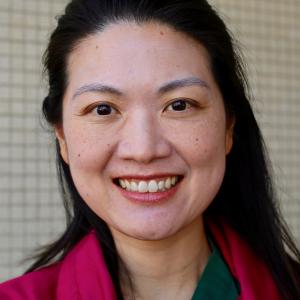
Judith Ashouri-Sinha
The Ashouri lab is focused on understanding how aberrant immune cell signaling disrupts immune tolerance, resulting in autoimmune (AI) disease. We are particularly interested in T cell mechanisms that contribute to the onset of rheumatoid arthritis (RA), a debilitating disease affecting millions. A specific aim of the Ashouri lab is to identify antigen-activated T cells in RA in order to capture and profile arthritogenic clones and elucidate the earliest events in disease pathogenesis. Our work takes advantage of a specific reporter of T cell antigen receptor (TCR) signaling. Tracking the expression of this reporter of TCR signaling in murine and human T cells facilitates our ability to identify and study arthritis-causing T cells before and during RA disease development and addresses the following questions: 1) How are T cells that are relatively deficient TCR signaling able to mediate arthritis development? Our lab uses molecular and biochemical techniques to examine how chronic TCR signaling can enhance T cell sensitivity to cytokine signaling and its dysregulation in disease. 2) How are arthritis causing CD4 T cells initially triggered in disease and to what antigen do these T cells respond? We utilize multi-dimensional and high-throughput technologies including paired single-cell RNA and TCR-sequencing from mouse and human samples with significant potential to identify the TCR specificity, gene expression profile, and signaling networks of cells involved in antigen recognition in RA. Our model system provides a platform to track antigen-specific T cell responses in human diseases in which the inciting antigen is not known and could be broadly applied to other AI diseases, transplant rejection, cancer, and even checkpoint blockade.
See More
Sinha
Judith Ashouri-Sinha
Assistant Professor
Infection and Host Defense
Immunogenetics
Leadership Committee
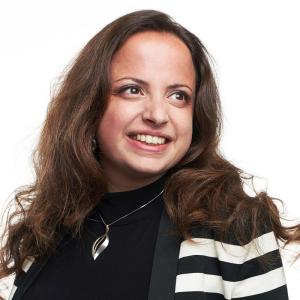
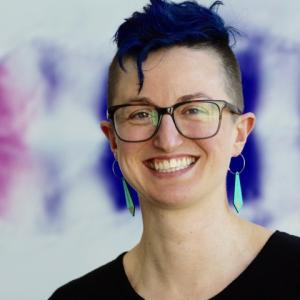
Sara Suliman
The Suliman Lab builds on the foundation of previous human cohort studies to pursue the following directions:From systems biology to innate correlates of TB progression: 1) The lab is following up on candidate pathways identified through systems biology experiments performed on samples from human cohorts of TB progressors and healthy Mtb-exposed counterparts in Sub-Saharan Africa and South America. These genetic and transcriptional profiling studies point to candidate TB risk pathways including sodium/potassium ATPases and tyrosine metabolism enzymes in innate immune populations. The lab is functionally dissecting the roles of these genes using pharmacological inhibitors and CRISPR/Cas9 gene editing of primary human myeloid cells and Mtb infection experiments, followed by analysis of immunological and metabolic profiles, in order to define their roles in TB disease. 2) Point-of-care biomarkers to identify Mtb-exposed individuals at high risk of developing TB disease: Following previous studies on TB biomarkers and COVID-19 diagnostics, the lab leverages international collaborations and systems biology approaches to discover and validate easy-to-use biomarkers to identify individuals at high risk of progression to TB. The studies aim to down-select biomarkers with high accuracy for translation into point-of-care and near-patient prognostic biomarkers in diverse populations for active case finding, including those with other co-infections. 3) T cell immunity to SARS-CoV-2 and Mtb: The Severe Acute Respiratory Syndrome of Coronavirus-2 (SARS-CoV-2) and Mtb are the two leading causes of mortality from infectious diseases globally. Failure to contain SARS-CoV-2 can be a result of the evolution of escape mutations that evade T cell responses. Similarly, in TB, the activation states and memory phenotypes of T cells can determine the quality of adaptive immunity against Mtb. Therefore, the quality and breadth of T cell responses are critical determinants of protection against both pathogens. It is unclear how the co-infections with Mtb and SARS-CoV-2 influence the inflammatory milieu and antigen-specific T cell responses that correlate with protection from progression to TB disease or severe COVID-19. The Suliman lab studies antigen-specific T cell immunity to SARS-CoV-2 and Mtb in the context of co-infection with the two pathogens, evolving SARS-CoV-2 variants, and COVID-19 vaccine rollout.
See More
Suliman
Sara Suliman
Assistant Professor
This is some text inside of a div block.
No items found.
Associate
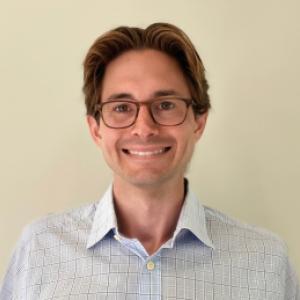
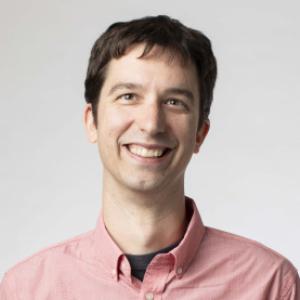
Hugo Gonzalez Velozo
The Gonzalez-Velozo Lab delves into the molecular mechanisms driving metastasis and tumor-host interactions. It is committed to advancing the understanding of cancer metastasis and the tumor microenvironment, particularly elucidating insights from the tumor-immune interface. The lab's studies integrate diverse disciplines, including cancer research, genomics, molecular biology, immunology, and computational biology. They include the first systematic study of human metastases at single-cell resolution and collaborations in areas such as crosstalk within the metastatic niche, tumor adaptation under stress in metastasis, and cancer immunology. Ongoing projects involve the study of chromatin accessibility at single-cell resolution, combined with single-cell transcriptomics, to define and characterize the gene regulatory networks (regulomes) that foster brain metastases from carcinomas in patients. Additionally, they are working on generating tumor-host assembloids, a novel tool that combines brain organoids derived from iPSCs with tumor organoids from brain metastases, aiming to study in vitro complex cellular circuits while preserving human biology in the system. Their work lies in the conceptual framework that metastatic fitness is intimately linked to cellular circuits and cell crosstalk within the metastatic niche, impacting both the composition and functional states of the tumor microenvironment.
See More
Velozo
Hugo Gonzalez Velozo
Assistant Adjunct Professor
Joanna Phillips
joanna-phillips

The Phillips laboratory is focused on understanding the dynamic interplay between brain tumor cells and their microenvironment. Specifically, we study how the immune response influences tumor progression and therapy resistance.
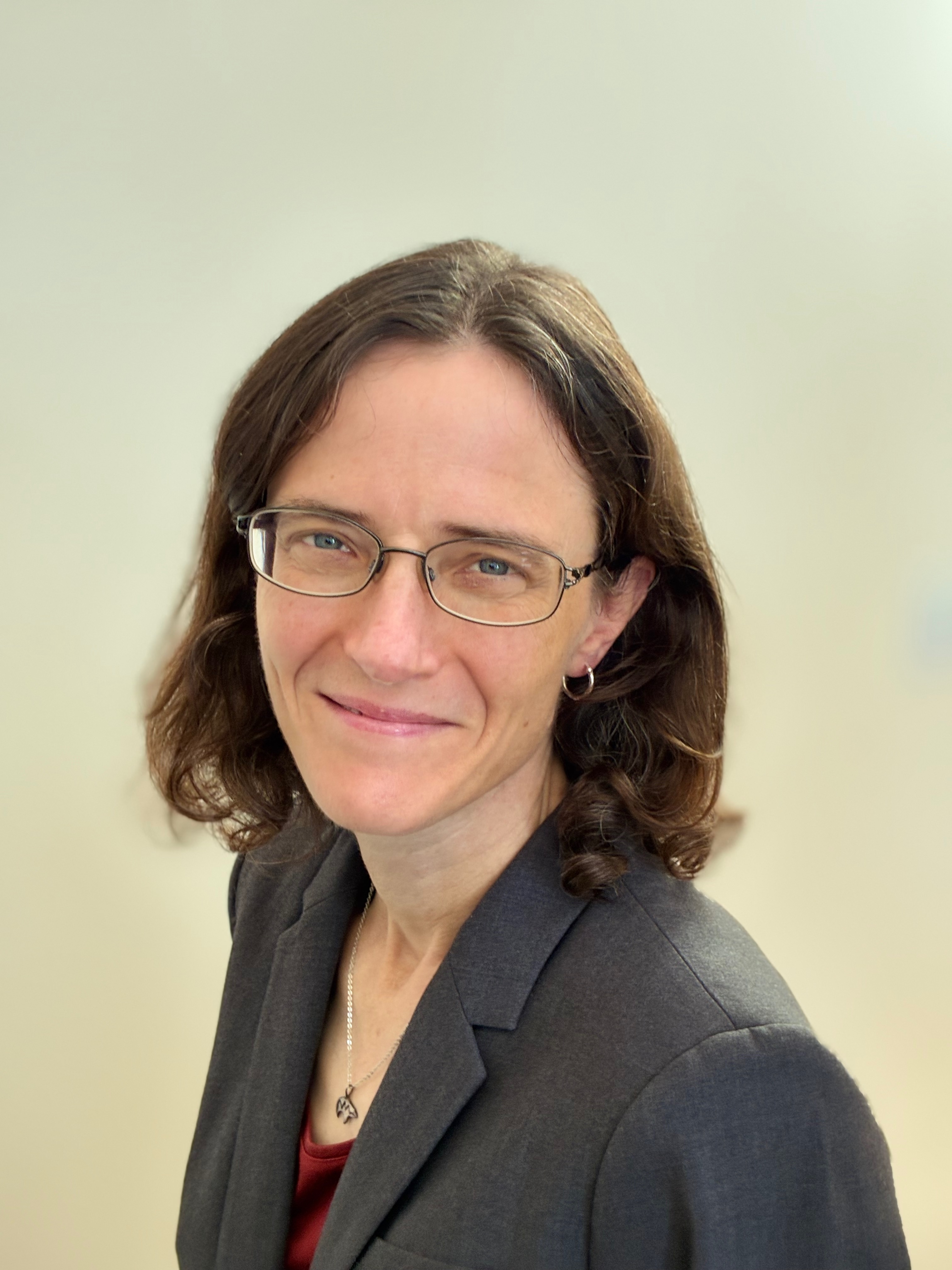
Xianhua Piao
xianhua-piao

The Piao Lab investigates the molecular mechanisms underlying those diverse functions of microglia with a special focus on how they refine the brain circuit by regulating interneuron development and synaptic pruning. Microglia act as resident brain cells in regard to their involvement with neurogenesis, synapse refinement and modulation of neural circuits. At the same time, microglia express their macrophage ontogeny by virtue of responding to Damage Associated Molecular Patterns (DAMPs) generated by disease processes, aging and cell injury. The canonical macrophage-like responses of microglia may be reparative, injurious or maladaptive during neurodevelopment or neurodegeneration. Relatively little is known in molecular detail about these aspects of microglial physiology particularly in humans, yet the genetic architecture of neurodegenerative disease illustrates vividly that microglial responses can be crucial for the divergent trajectories of healthy development or aging versus disease.
Satish Pillai
satish-pillai

The Pillai Lab employs a translational systems approach to investigate viral evolution, pathogenesis and persistence, with the goal of developing novel viral eradication strategies. We leverage the extensive biobank at Vitalant Research Institute (VRI) and invaluable collaborations with HIV/AIDS cohorts at UCSF to study the host-virus interface in vivo. We develop and implement unbiased approaches to identify key host immune factors that can be exploited as pharmacological targets and viral disease biomarkers. Our work thus far has elucidated the effects of anatomic compartmentalization on HIV evolution, the role of cell-intrinsic immunity in the antiviral potency of interferon, and the regulation of HIV transcription during suppressive antiretroviral therapy (ART).
Samuel Pleasure
samuel-pleasure

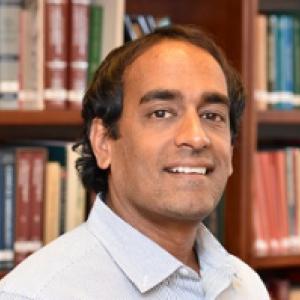
The Pleasure lab studies autoantibody associated meningoencephalitis. We use a coordinated approach to identify novel autoantibodies and also we study the pathophysiology of known autoantibodies in neurologic disease.
John Pluvinage
john-pluvinage

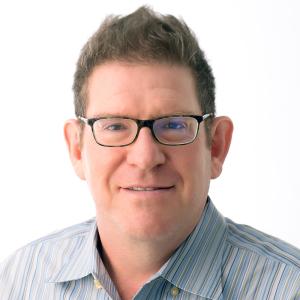
The Pluvinage Lab is interested in the overlap between autoimmunity and neurodegeneration. Specifically, they are looking at how the immune system regulates cognitive function, and how they can modulate it to promote healthy brain aging. They use autoantibody discovery technologies and functional genomics to uncover the source, target, and function of autoantibodies in rare neurologic diseases as well as common dementias.

Arun Prakash
arun-prakash

The Prakash Lab has recreated traumatic lung injury derived from ischemia-reperfusion using a mouse microsurgical model (Liao, Maruyama et al. JOVE 2022). They have had a long-standing interest in identifying molecular, cellular, and signaling regulators of sterile lung injury, specifically generation of damage markers, role of the inflammasome in lung IR injury and the effects on super-imposed or concurrent infections (Prakash et al., Anesthesiology 2012, Tian et al., Frontiers in Immunology 2017). Their other more recent focus involves projects that attempt to define the link between the gut microbiome and lung inflammatory responses (Prakash et al., Shock 2015, Tian et al., Frontiers in Microbiology 2019, and Liu et al. AJP Lung 2021, Maruyama et al. Gut Microbes 2026) and they have been actively working on identifying specific microbial factors and metabolites that mediate the gut-lung immune axis.
Aric Prather
aric-prather

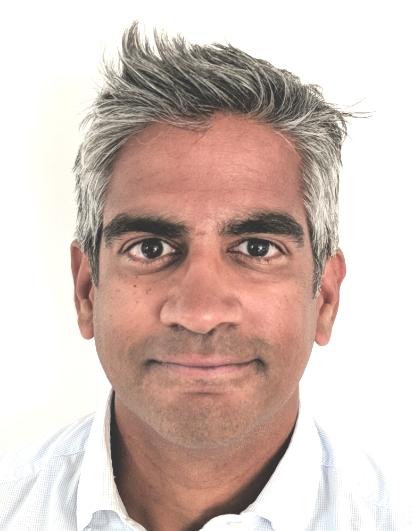
The Prather Lab focuses on the influence of psychological and behavioral factors on immune function in humans. Much of this work has focused on the impact of acute and chronic psychological stress on markers of immunological aging and the effect of insufficient sleep (measured in lab using sleep deprivation protocols and in the field) on inflammatory functioning and susceptibility to infectious illness.
Jennifer Puck
jennifer-puck

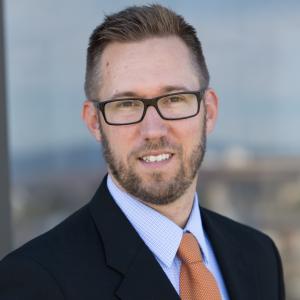
The Puck Lab focuses on genetic and genomic technology as well as cellular immunology to study human immune disorders and models of lymphocyte development. These studies have resulted in discoveries of new gene defects, including BCL11B, CORO1A and others. Noting the better outcomes for infants with severe combined immunodeficiency (SCID) after diagnosis early in life, Dr. Puck conceived and developed newborn screening for SCID in DNA extracted from infant dried blood spots. This test, now part of standard newborn screening in all 50 states, uses PCR to quantitate T cell receptor excision circles (TRECs), byproducts of T cell receptor rearrangement in the thymus. Absent or low TRECs identify SCID, and also other conditions with T cell insufficiency. Dr. Puck is also advancing new therapies for SCID, with a clinical trial of lentivirus gene therapy for X-linked and a first-in-human Phase I/II study of lentiviral gene therapy for Artemis deficient SCID.
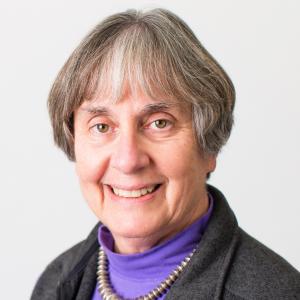
Robert Raffai
robert-raffai

The Raffai Lab investigates the biology of atherosclerosis. Through their studies, they strive to develop a more profound understanding of the immune system's participation in vascular wall inflammation and atherosclerosis. Their long-term goal is to develop approaches to control the immune systems participation in atherosclerosis initiation and progression. Furthermore, they seek to harness anti-inflammatory and tissue-remodeling properties of the immune system to promote atheroma stabilization and its regression as new treatments for cardiovascular disease.
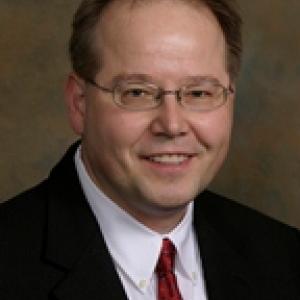
Rajalingam Raja
rajalingam-raja

Dr. Raja is the Director of the UCSF Immunogenetics and Transplantation Laboratory (UCSF-ITL). The ITL laboratory is a core HLA typing lab for Immune Tolerance Network, a research cooperative focused on the development of therapeutic approached for asthma and allergy, autoimmune diseases, type 1 diabetes and solid organ transplantation that lead to immune tolerance. Our current research centers on three themes: 1) to understand the basis of alloimmuneresponse in clinical transplantation to identify acceptable mismatches and tolerable donor-specific HLA antibodies, which will help designing functional histocompatibility matching for better transplant outcomes; 2) to understand the functional polymorphism of immunity related genes (HLA, KIR, KLR, FCGR) in human populations and impact on infections, tumor transformation, autoimmune diseases, pregnancy success and allogeneic transplantation; 3) to understand the complex relationship between polymorphic Natural Killer cell receptors (KIR receptors) and HLA class I ligands and the influence on human disease and transplant outcomes.

Aleksandar Rajkovic
aleksandar-rajkovic

The Rajkovic Lab investigates the genetic underpinnings of the formation and differentiation of gametes and reproductive tract, their role of these genes in human disease, embryo lethality and origin of heritable human disorders. More specicifally, their lab studies transcriptional regulation of ovarian follicle activation and oocyte survival and how these processes are essential to produce healthy egg. Whole genome human studies in their laboratory discovered that DNA damage repair genes such as MCM8 and MCM9 are mutated in women with infertility and the lab is exploring the link bettheyen DNA damage repair genes with infertility phenotypes and accelerated overall aging, as theyll as the effect of these genes on the overall health of offspring and genesis of structural birth defects. These and other studies indicate that many of the reproductive disorders are developmental in origin.
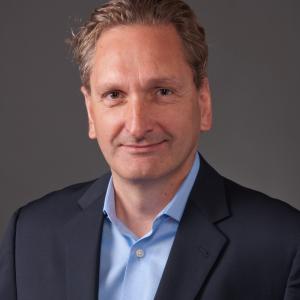
Roberto Ricardo-Gonzalez
roberto-ricardo-gonzalez

The Ricardo-Gonzalez lab's overarching goal is to understand how tissue-resident immune cells respond to physiologic and pathologic stimuli and how they can influence changes across multiple cell lineages in barrier tissues.