


ImmunoX Faculty Directory
The Faculty Directory highlights the diverse community of faculty engaged with the Bakar ImmunoX Initiative. Use the filters to explore areas of expertise, connect across disciplines, and learn more about the people advancing immunology research and training at UCSF.
Join Our Community▸




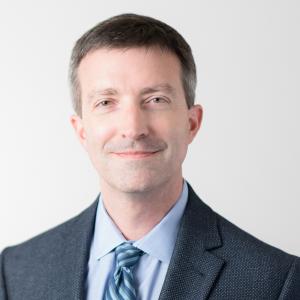

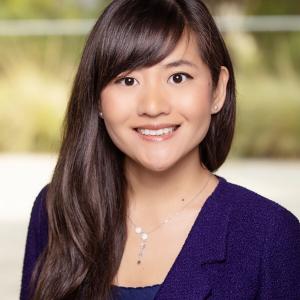
The Phillips laboratory is focused on understanding the dynamic interplay between brain tumor cells and their microenvironment. Specifically, we study how the immune response influences tumor progression and therapy resistance.
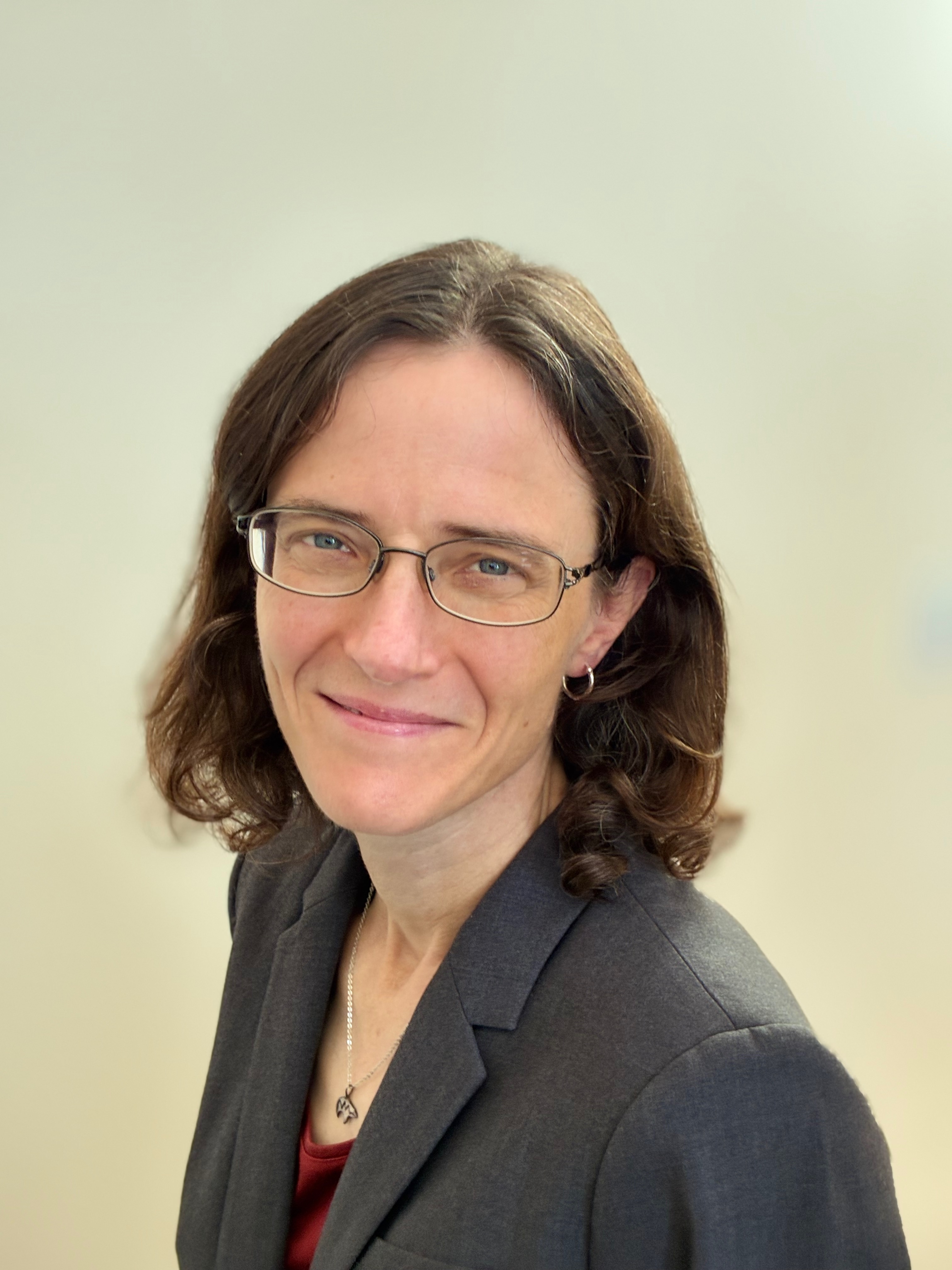
The Piao Lab investigates the molecular mechanisms underlying those diverse functions of microglia with a special focus on how they refine the brain circuit by regulating interneuron development and synaptic pruning. Microglia act as resident brain cells in regard to their involvement with neurogenesis, synapse refinement and modulation of neural circuits. At the same time, microglia express their macrophage ontogeny by virtue of responding to Damage Associated Molecular Patterns (DAMPs) generated by disease processes, aging and cell injury. The canonical macrophage-like responses of microglia may be reparative, injurious or maladaptive during neurodevelopment or neurodegeneration. Relatively little is known in molecular detail about these aspects of microglial physiology particularly in humans, yet the genetic architecture of neurodegenerative disease illustrates vividly that microglial responses can be crucial for the divergent trajectories of healthy development or aging versus disease.
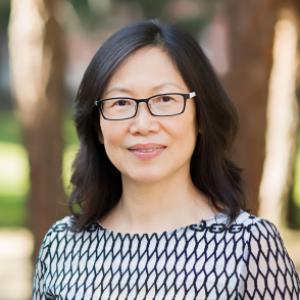
The Pillai Lab employs a translational systems approach to investigate viral evolution, pathogenesis and persistence, with the goal of developing novel viral eradication strategies. We leverage the extensive biobank at Vitalant Research Institute (VRI) and invaluable collaborations with HIV/AIDS cohorts at UCSF to study the host-virus interface in vivo. We develop and implement unbiased approaches to identify key host immune factors that can be exploited as pharmacological targets and viral disease biomarkers. Our work thus far has elucidated the effects of anatomic compartmentalization on HIV evolution, the role of cell-intrinsic immunity in the antiviral potency of interferon, and the regulation of HIV transcription during suppressive antiretroviral therapy (ART).
The Pleasure lab studies autoantibody associated meningoencephalitis. We use a coordinated approach to identify novel autoantibodies and also we study the pathophysiology of known autoantibodies in neurologic disease.
The Pluvinage Lab is interested in the overlap between autoimmunity and neurodegeneration. Specifically, they are looking at how the immune system regulates cognitive function, and how they can modulate it to promote healthy brain aging. They use autoantibody discovery technologies and functional genomics to uncover the source, target, and function of autoantibodies in rare neurologic diseases as well as common dementias.

The Prakash Lab has recreated traumatic lung injury derived from ischemia-reperfusion using a mouse microsurgical model (Liao, Maruyama et al. JOVE 2022). They have had a long-standing interest in identifying molecular, cellular, and signaling regulators of sterile lung injury, specifically generation of damage markers, role of the inflammasome in lung IR injury and the effects on super-imposed or concurrent infections (Prakash et al., Anesthesiology 2012, Tian et al., Frontiers in Immunology 2017). Their other more recent focus involves projects that attempt to define the link between the gut microbiome and lung inflammatory responses (Prakash et al., Shock 2015, Tian et al., Frontiers in Microbiology 2019, and Liu et al. AJP Lung 2021, Maruyama et al. Gut Microbes 2026) and they have been actively working on identifying specific microbial factors and metabolites that mediate the gut-lung immune axis.
The Prather Lab focuses on the influence of psychological and behavioral factors on immune function in humans. Much of this work has focused on the impact of acute and chronic psychological stress on markers of immunological aging and the effect of insufficient sleep (measured in lab using sleep deprivation protocols and in the field) on inflammatory functioning and susceptibility to infectious illness.
The Puck Lab focuses on genetic and genomic technology as well as cellular immunology to study human immune disorders and models of lymphocyte development. These studies have resulted in discoveries of new gene defects, including BCL11B, CORO1A and others. Noting the better outcomes for infants with severe combined immunodeficiency (SCID) after diagnosis early in life, Dr. Puck conceived and developed newborn screening for SCID in DNA extracted from infant dried blood spots. This test, now part of standard newborn screening in all 50 states, uses PCR to quantitate T cell receptor excision circles (TRECs), byproducts of T cell receptor rearrangement in the thymus. Absent or low TRECs identify SCID, and also other conditions with T cell insufficiency. Dr. Puck is also advancing new therapies for SCID, with a clinical trial of lentivirus gene therapy for X-linked and a first-in-human Phase I/II study of lentiviral gene therapy for Artemis deficient SCID.

The Raffai Lab investigates the biology of atherosclerosis. Through their studies, they strive to develop a more profound understanding of the immune system's participation in vascular wall inflammation and atherosclerosis. Their long-term goal is to develop approaches to control the immune systems participation in atherosclerosis initiation and progression. Furthermore, they seek to harness anti-inflammatory and tissue-remodeling properties of the immune system to promote atheroma stabilization and its regression as new treatments for cardiovascular disease.
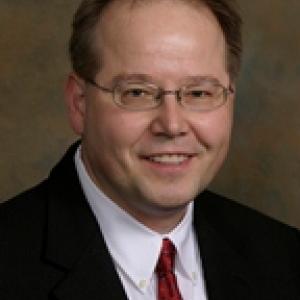
Dr. Raja is the Director of the UCSF Immunogenetics and Transplantation Laboratory (UCSF-ITL). The ITL laboratory is a core HLA typing lab for Immune Tolerance Network, a research cooperative focused on the development of therapeutic approached for asthma and allergy, autoimmune diseases, type 1 diabetes and solid organ transplantation that lead to immune tolerance. Our current research centers on three themes: 1) to understand the basis of alloimmuneresponse in clinical transplantation to identify acceptable mismatches and tolerable donor-specific HLA antibodies, which will help designing functional histocompatibility matching for better transplant outcomes; 2) to understand the functional polymorphism of immunity related genes (HLA, KIR, KLR, FCGR) in human populations and impact on infections, tumor transformation, autoimmune diseases, pregnancy success and allogeneic transplantation; 3) to understand the complex relationship between polymorphic Natural Killer cell receptors (KIR receptors) and HLA class I ligands and the influence on human disease and transplant outcomes.

The Rajkovic Lab investigates the genetic underpinnings of the formation and differentiation of gametes and reproductive tract, their role of these genes in human disease, embryo lethality and origin of heritable human disorders. More specicifally, their lab studies transcriptional regulation of ovarian follicle activation and oocyte survival and how these processes are essential to produce healthy egg. Whole genome human studies in their laboratory discovered that DNA damage repair genes such as MCM8 and MCM9 are mutated in women with infertility and the lab is exploring the link bettheyen DNA damage repair genes with infertility phenotypes and accelerated overall aging, as theyll as the effect of these genes on the overall health of offspring and genesis of structural birth defects. These and other studies indicate that many of the reproductive disorders are developmental in origin.
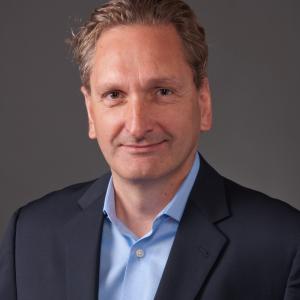
The Ricardo-Gonzalez lab's overarching goal is to understand how tissue-resident immune cells respond to physiologic and pathologic stimuli and how they can influence changes across multiple cell lineages in barrier tissues.