



ImmunoX Faculty Directory
The Faculty Directory highlights the diverse community of faculty engaged with the Bakar ImmunoX Initiative. Use the filters to explore areas of expertise, connect across disciplines, and learn more about the people advancing immunology research and training at UCSF.
Join Our Community▸







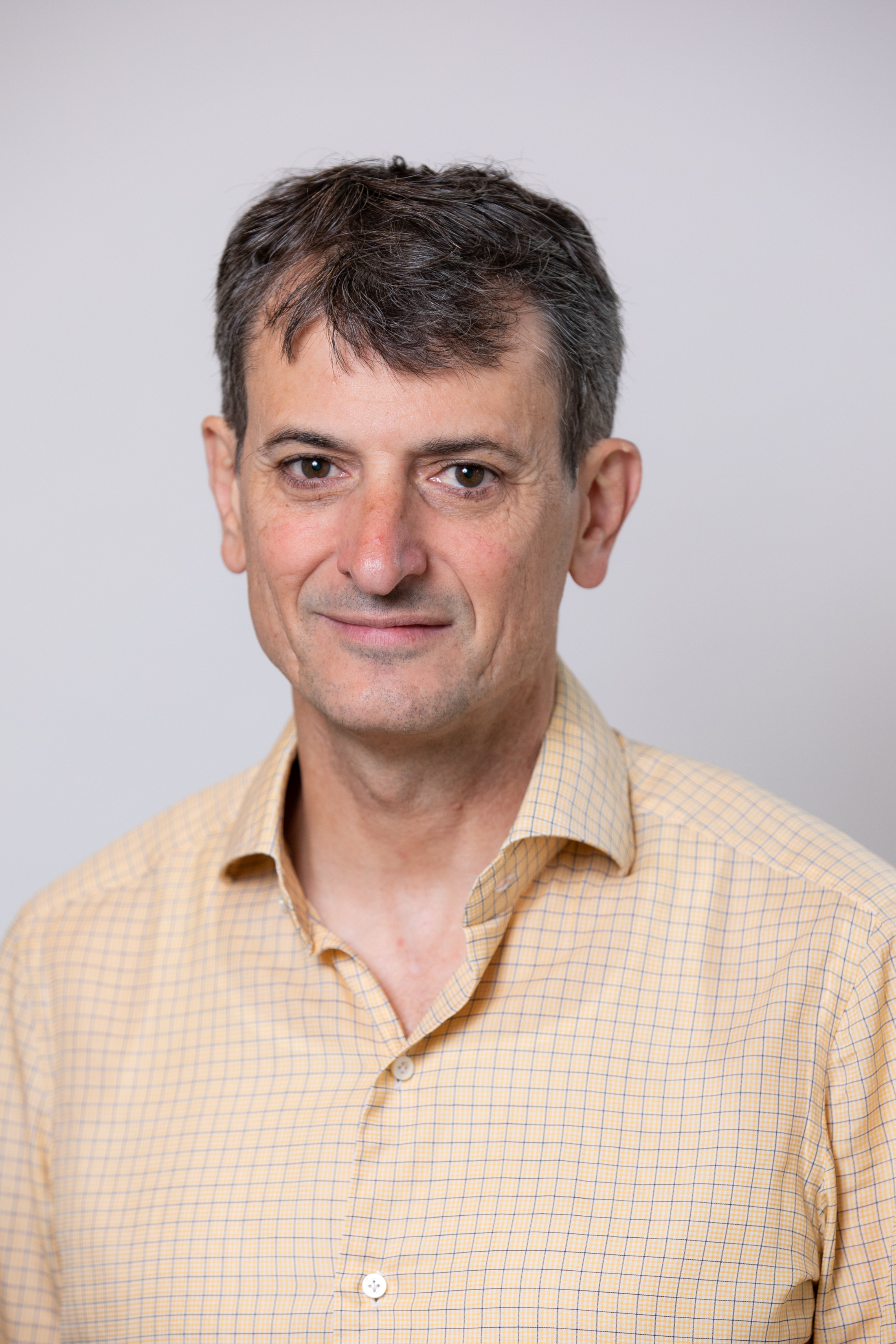





The Abbas Lab is focused on immunological tolerance and autoimmunity. Using transgenic and knockout mice, they have explored the mechanisms that maintain tolerance to tissue and systemic self-antigens, and the conditions that lead to the breakdown of self-tolerance and the development of autoimmunity.

The Aguilar lab focuses on understanding how natural killer (NK) cells protect us from pathogens and cancer. He uses human NK cells and mouse models of disease to discover ways to generate NK cells with enhanced responsiveness to pathogenic cells.
The Akassoglou Lab studies mechanisms of neurovascular regulation of inflammation and tissue repair. Our research focuses on identifying the molecular and cellular interface that blood proteins utilize to interact with nervous system cells and change their functions. Our ultimate goal is to target these interactions for therapeutic intervention in neurologic diseases.

The Akhurst Lab investigates TGFβ signaling, which is important in cancer, vascular, and stem cell biology, as theyll as tumor drug-resistance and immunotherapy. They study how TGFβ regulates these processes in vivo, and how genetic variation affects TGFβ related diseases and cancer immunotherapy outcomes.

The Alexanian lab employs a range of advanced tools and techniques, including single-cell genomics, whole-organ in vivo physiology, murine genetic models, CRISPR screens, computational biology, and stem cell-derived models of cardiomyocytes, cardiac fibroblasts, and macrophages. These human-induced pluripotent stem cell (iPSC)-derived models enable them to study cell behavior and molecular mechanisms in a context that is directly relevant to human biology. Their recent research has uncovered the mechanism behind the beneficial effects of small-molecule bromodomain inhibitors in heart failure. They found that these drugs do not directly affect cardiomyocytes but instead regulate the activation of fibroblasts and macrophages, ultimately impacting cardiac function. These studies have revealed novel molecular pathways critical for controlling stress-induced fibroblast activation and the crosstalk between inflammation and fibrosis.

The Allen Lab is interested in the cellular communication and differentiation programs in allergic immune responses, particularly in asthma. We are applying sophisticated imaging, flow cytometry, mouse genetics, and other techniques to uncover novel paradigms underlying allergic inflammation. As a major area of emphasis, we are studying the generation and function of IgE antibodies that initiate allergic inflammation. We have developed innovative techniques to study rare IgE-producing B cells in vivo, including the generation of fluorescent IgE reporter mice. We have established that IgE B cell responses are controlled by the cytokine IL-21 and distinct signaling properties of the IgE B cell receptor. We are imaging the lungs and associated lymphoid tissues by two-photon laser scanning microscopy to directly visualize cellular interactions in situ. Using this approach, we achieved the first in vivo analysis of the interactions of CD4 T cells with basophils, which are rare IgE effector cells. We are analyzing the interactions of basophils with other cell types during secondary immune responses to further elucidate the functions of these cells. We have also established a role for macrophages associated with the bronchial airways in the elicitation of allergic inflammation in the lung.

The Anderson Lab's main research interest is to examine the genetic control of autoimmune diseases to gain a better understanding of the mechanisms by which immune tolerance is broken. A major focus of our lab group is a human autoimmune syndrome called Autoimmune Polyglandular Syndrome Type 1 (APS1 or APECED), which is classically manifested by an autoimmune attack directed at multiple endocrine organs. This disease is inherited in a monogenic autosomal recessive fashion and the defective gene has been identified and is called Aire (for autoimmune regulator). Aire knockout mice, like their human counterparts, develop an autoimmune disease that is targeted to multiple organs. Through the use of the mouse model we, along with others, have determined that Aire plays an important role in immune tolerance by promoting the expression of many self proteins in specialized antigen presenting cells in the thymus called medullary epithelial cells. Recently, we have determined that this process is not only critical in the thymus, but also in peripheral lymphoid organs. Current studies in the lab are directed at further understanding the relative contribution of specialized Aire-expressing cells to immune tolerance in multiple autoimmune disease models. In addition to these ongoing studies, our laboratory is also interested the pathogenesis of autoimmune diabetes and in developing other models of autoimmune disease by using transgenic, knockout, and knock-in approaches.

The Andino Lab works on RNA virus pathogenesis and vaccine development.

The Ansel Lab's active projects mostly focus on RNA regulation of immune cell programming. They study how individual miRNA families regulate lymphocyte differentiation and immune function, and the regulation of the miRNA pathway itself during immune responses. Naive CD4+ T cells that cannot produce any miRNAs exhibit reduced cell division and survival in response to immune stimuli. Surprisingly, they also undergo rapid unrestrained differentiation into effector cells. They have developed a screening technology that allows us to rapidly determine which specific miRNAs regulate each of these T cell behaviors, and pipelines for determining miRNA expression patterns in very small clinical samples (such as sorted T cell subsets from the airways of human asthmatic subjects, serum, sputum, and other stheirces of extracellular miRNAs, etc.). In addition, they discovered that T cells rapidly reset their small RNA repertoire upon activation. This process involves ubiquitination and degradation of Argonaute proteins and the release of RNAs in extracellular vesicles, but the signaling mechanisms and the fate of associated RNAs remains unknown. Activation-induced changes in regulatory RNA expression affects T cell differentiation and the development of immune effector functions.
The Nicolas-Avila Lab explores the mechanisms by which immune cells contribute to tissue function. Their goal is to develop strategies to enhance organismal health through immunomodulation. Almost every organ in the body contains tissue-resident immune cells integral to its normal composition. These cells form the first line of defense against infections, but also play crucial roles in the normal functioning of their respective tissues. For instance, they have demonstrated that cardiac macrophages support cardiomyocytes by removing damaged mitochondria and other waste products, which is essential for maintaining heart function.The Nicolas-Avila Lab has developed tools and strategies to modify immune cell function and explore their interactions with other cells. They use these methods to investigate their roles in tissue physiology and function. Additionally, since many diseases and conditions (such as aging) are known to compromise immune cells, they are exploring the exciting potential of enhancing tissue function by improving immune cell performance.

The Bapat Lab works to elucidate fundamental relationships in mice and humans to yield novel insights that will translate into transformational therapies for diseases that remain difficult to manage, namely obesity-associated metabolic syndrome – a disease on track this century to become the “normal” in the US and worldwide. They are currently building an ambitious research program that ranges from basic investigations in mice, to a population scale immune cell atlas in human adipose tissues, to the development of a first-in-class T cell therapy for metabolic disease.

The Baranzini Lab's research involves a combination of theyt and dry lab approaches to understand the origins of multiple sclerosis and other complex diseases. Specifically, they employ methods of molecular genetics (GWAS, RNAseq, etc.), immunology (with a focus on the role of the gut microbiota on disease susceptibility) and advanced computational approaches to integrate large, complex data ensembles.